
Fact Sheet FS1065
What is Oxidative Stress?
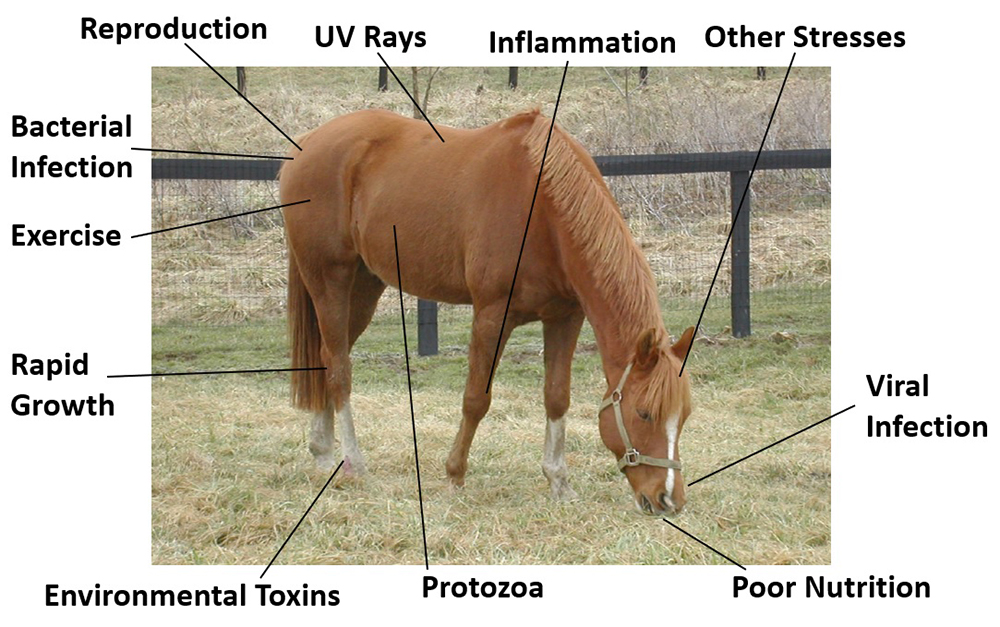
Figure 1. Causes of Oxidative Stress in horses.
Oxidation is defined as one of the processes by which energy is obtained from the diet. During oxidation, nutrients are broken down and converted into energy for normal metabolic function. The browning or rusting of an apple is a common example of oxidation. Also, the breakdown of carbohydrates, proteins, and fats is what gives your horse the energy to play, run, jump, and sleep. The rate of oxidation depends on the amount of activity. At rest, the rate of oxidation is at its most basic levels. However, during stress, exercise, pregnancy, or lactation, the rate of oxidation is elevated because the body is rapidly breaking down nutrients to produce the enormous energy output the horse needs during these times (Figure 1). This can lead to a condition called oxidative stress.
Oxidative stress causes an overabundance of circulating molecules called reactive oxygen species (ROS), sometimes commonly referred to as "free radicals." It is important to note that all free radicals are ROS, but not all ROS are free radicals. ROS are normally produced from oxygen metabolism (see equation). Where oxygen (O2) uses an electron (e-) and a hydrogen (H+) to form water (H2O) and carbon dioxide (CO2).

Examples of ROS shown in the equation above include superoxide radical (O2•), hydroxyl radical (HO•), and hydrogen peroxide (H2O2). They contain oxygen, but they are much more reactive than the oxygen in the air we breathe. Free radicals are ROS with a missing an electron; therefore, making them unstable molecules. They circulate throughout the body searching for electrons, hoping to achieve stability.
Are these ROS beneficial or detrimental to your horse? In reasonable amounts they're necessary. ROS are needed for proper function of the immune system, as they aid the destruction of invading foreign organisms. On the other hand, larger amounts of circulating ROS are harmful. They can cause tissue damage and cell death by destroying cell proteins. An excess of ROS leads to fatigue and damage of vital tissues such as muscle, nervous tissue, and skin.
The Role of Antioxidants
Thankfully, there is a way to combat serious damage from these ROS. Antioxidants such as vitamin E, vitamin C, glutathione, and selenium, to name a few, all have protective effects against ROS damage.
Antioxidants protect your horse from ROS by (Figure 2):
- Scavenging them or rendering them inactive (Figure 3)
- Inhibiting excess ROS production
- Promoting repair of damaged tissues and cells
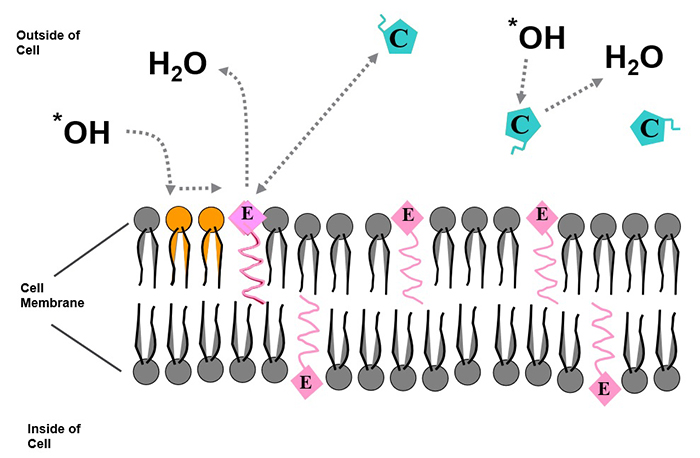
Figure 2. Illustration of a hydroxyl radical (•OH) getting scavenged or converted to water (H20) by vitamin E (represented by the E within the pink diamonds) in the membrane and vitamin C (represented by the C within blue hexagons) in the space and fluid outside of the cell. The orange-colored parts of the cell membrane represent the dead or dying portion before they are regenerated after the action of vitamin E on the free radical.
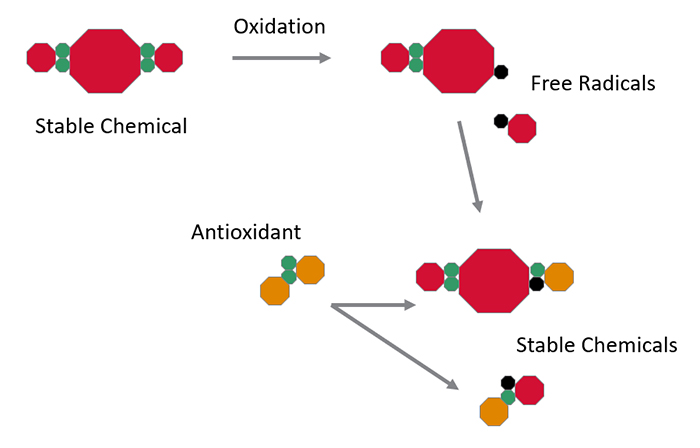
Figure 3. Illustration of how an antioxidant can scavenge a free radical or render them inactive by reforming two stable chemicals.
Various antioxidants work together to achieve all of this and more. So where do they come from? Some antioxidants come from your horse's dietary intake, and some are synthesized by the horse. Therefore, it is crucial that your horse is healthy, and has a balanced diet that provides nutrients, including essential vitamins and minerals. Let's take a closer look at some common antioxidants.
Vitamin E
Vitamin E is the most important antioxidant! Vitamin E is a fat-soluble vitamin, and it protects cell membranes from damage. Cell membranes are comprised of lipid molecules. These lipid molecules are like a gold mine to ROS, making cell membranes highly susceptible to ROS damage.
Alpha-tocopherol, the active form of vitamin E:
- Blocks a class of ROS known as lipid peroxidases from eating away at the cell membrane. It does this by sitting in between the lipid molecules of the membrane so when a lipid peroxidase attacks, alpha-tocopherol disables the peroxidase and saves the cell membrane from damage.
- After disabling the lipid peroxidase, alpha-tocopherol becomes a less reactive ROS. This alpha-tocopherol radical is not as harmful as an ROS, but in this radical state the vitamin E is useless.
Vitamin E is essential in your horse's diet:
- Deficiency can cause lack of coordination and various muscle and nervous disorders.
- It has been proven to protect against equine protozoal myeloencephalitis (EPM), equine degenerative myelonencephalopathy (EDM), and tying up in exercising horses.
- It is especially important for exercising horses, as exercise can induce oxidative stress and ROS damage, as well as decrease circulating vitamin E levels. In turn, it causes muscle problems and an overall decrease in endurance capacity and performance.
- Building up stores of vitamin E before stressing the horse (e.g., traveling, competition) can be beneficial (see publication FS656, Are you Stressing Out Your Horse? for more on stress).
Where can sources of vitamin E be found?
- Many forages and pasture grasses, especially orchard grass, alfalfa, fescue, and timothy are high in vitamin E. This decreases with the age of the plant, as well as with processing (heat, bailing, grinding, etc.). Sun-curing hay also decreases the content of vitamin E in the forage.
- Because vitamin E is fat soluble, it needs to be provided with fat in the diet so it can be absorbed and utilized.
- Vitamin E supplements are also useful, and high amounts are not toxic to horses. However, large doses should be carefully monitored as they may interact with other nutrients in the diet.
Vitamin C
Another important antioxidant is vitamin C. This is a water-soluble vitamin, so it is not localized to the cell membrane like vitamin E. Vitamin C in its active form, ascorbic acid, is usually found inside and/or outside of cells and confronts any ROS it encounters in these places. It does this by quenching and stabilizing ROS, preventing future damage inside of the horse. Ascorbic acid can also aid in regeneration of the vitamin E radical, restoring its antioxidant capacity (see Figure 2). Together, vitamin C and E work together to protect vital tissues of your horse.
When is vitamin C needed?
- Horses in good health can synthesize vitamin C on their own so, there is no need to worry about a deficiency or providing it in the diet. The horse's liver produces as much as the maintenance horse needs to stay healthy. However, when a horse is stressed (e.g., geriatric, intensely exercising, long hauls), production of vitamin C cannot keep up with its demand.
- Supplementation can help decrease the detrimental effects of the stress on the immune system, depending on the state of the horse, but the usual recommendation is 7 to 10 grams of ascorbic acid a day during stressful situations (see publication FS656, Are you Stressing Out Your Horse? for more on stress).
Selenium
Selenium is a trace mineral found in plants. By itself, selenium does not have much antioxidant capacity. When selenium pairs up with vitamin E, it becomes a strong antioxidant.
Selenium with vitamin E will:
- Stop nerve cell damage stemming from ROS, therefore preventing nervous disorders that are caused by nerve damage and degeneration.
- Help in preventing muscle problems in exercising horses.
- Work by sitting on the surface of cells and scavenging ROS that passes by.
- They also counterbalance each other, so if availability of selenium is low, vitamin E picks up the slack, and vice versa.
- Selenium is also an integral component of the antioxidant enzyme glutathione peroxidase (see below).
Sources of selenium:
- As you may know already, soil selenium levels vary in different regions. Because of this variation, it is extremely important that selenium intake be monitored so toxicity does not occur.
- Most commercial feeds have additional selenium already in them so, adding additional is not necessary.
Selenium levels should always be monitored and never supplemented if your horse receives enough. If the horse receives too much, it can cause selenium toxicity, or “Blind Staggers” includes weight loss, anorexia, excessive salivation, jaundice or necrosis of heart and liver. Horses require 0.3 mg per kg diet (about 3 mg per day). However, toxic levels start at about 18 mg per day.
Glutathione
Glutathione (GSH) has antioxidant roles including reducing vitamin C and vitamin E radicals. It is also a scavenger of hydrogen peroxide, which uses glutathione peroxidase (see below) as a catalyst, which is a substance that accelerates a chemical reaction, in this reaction forming the oxidized glutathione. Glutathione depletion in cells suppresses immune response of white blood cells; it prevents lymphocytes entering their normal life cycle and inhibits antibody activity. Glutathione supplementation enhances antibody activity in human and other animal immune cells.
Antioxidant Enzymes
Besides vitamins and minerals, other types of antioxidants exist in the form of enzymes. Superoxide dismutase, catalase, and glutathione reductase all serve as ROS quenchers by providing them with electrons. These enzymes also work within cells, rather than on the surface like vitamin E and selenium. These enzymes also have a universal nature, as they can be found in many tissues, including liver, muscle, and brain.
Superoxide Dismutase (SOD)
SOD catalyzes the reaction between two molecules of a superoxide radical (O2-) to form hydrogen peroxide (H2O2) and oxygen (O2) (see equation below):

- SOD serves to inactivate extremely harmful ROS by converting them into hydrogen peroxide and oxygen, which are less damaging.
- SOD is also found in a multitude of organs; the highest activity of which is in the liver, followed by the kidney, brain, heart, and muscle.
Glutathione Peroxidase (GPx)
- GPx converts the hydrogen peroxide ROS into water and oxidizes glutathione inside cells.
- Selenium is important to the structural integrity of GPx, and without adequate selenium, GPx activity is severely handicapped.
GPx is found in the red and white blood cells of mammals, which helps prevent oxidation of cell membranes by consuming free peroxide in the cell. It converts two glutathione molecules (GSH) plus hydrogen peroxide (H2O2) to an oxidized glutathione (GSSG) and two waters (H2O) (see equation below).

Glutathione Reductase (GR)
- GR is an enzyme that does not directly work with ROS. It boosts GPx's function by regenerating oxidized glutathione (GSSG), one of the end products of the GPx reaction.
GR is essential for GPx to effectively stabilize ROS and protect tissues from damage. It then reduces the oxidized glutathione to complete the cycle (see equation below). NADPH is an electron donor in the equation that forms NADP+ once the reaction has occurred.

Catalase
Catalase converts the hydrogen peroxide (H2O2) ROS into water (H2O) and oxygen (O2) (see the equation below).

- Minerals are also a structural component of catalase, the main one being iron. Iron deficiency does slow the performance of catalase. The catalase enzyme is found in a couple of tissues: liver and muscle.
What Does This Mean for Your Horse?
There is no need to worry about any type of supplementation to keep these enzymes going—they regulate themselves as needed. However, due to many of the enzymes requiring various minerals to correctly function it is critically important that the minerals are in balance.
Antioxidants and Pregnancy
Besides exercise, oxidative stress can be induced by pregnancy. A growing fetus can exert an enormous amount of stress on the dam, as her body is trying to produce enough energy for herself as well as her developing foal. Antioxidant activity can usually keep up with the demand for energy, however, during the final weeks of pregnancy before foaling, fetal development peaks. During this time, it has been shown that SOD activity increases, while GPx activity decreases.
After foaling, SOD and GPx both decrease. Since enzyme antioxidant levels fluctuate during these times, it is important to keep supplying the pregnant mare with adequate amounts of vitamin E, selenium, and other essential minerals.
Antioxidants and Age
As horses age, metabolic function slows and is less efficient. Efficiency of organ function also decreases. This increases susceptibility to oxidative stress and damage, thus worsening organ and tissue function. Supplementation of antioxidants is extremely important for an aging horse to decrease their susceptibility to oxidative damage. Older exercising horses need more antioxidants as well, because exercise can intensify their vulnerability to ROS damage. Vitamin E and C are possibly needed as supplements to a geriatric horses' diet.
Antioxidants and Exercise

As any stressful condition in horses exercise involves an adjustment of the antioxidants in the body to take care of the ROS produced by the increase in oxygen consumption. Horses that are especially traveling long distances and competing in several shows, races, or events in a short period of time are more prone to deficiencies in antioxidant status. This makes it even more important that the horse is on a good balanced diet with plenty of fresh green forage in the form of pasture grass or good quality hay. If necessary, an antioxidant supplement may be required.
Antioxidants and Illness
Horses in a diseased state are vulnerable to oxidative stress and ROS damage. Although ROS does aid in fighting sickness, the increased levels still need to be monitored. Sickness may also decrease food intake and absorption in the intestines. Vitamin deficiencies can occur, which can make an existing problem worse. Supplementation can help, but it must be provided in a form that can be utilized.
Equine motor neuron disease (EMND) is a neurodegenerative disorder in the adult horse. There is a significant association between EMND and vitamin E status; lower plasma levels of alpha-tocopherol are found in diseased horses than in control horses. This hypothesis of vitamin E deficiency has been replaced with the newer theory that vitamin E is low due to its increased utilization of scavenging the ROS that are damaging the affected nerves.
Chronic rheumatic disease and degenerative bone and joint diseases (DOD and DJD) are linked to excessive ROS production. The ROS are also capable of degrading components of the joint and this has been implicated in the pathogenesis of equine joint disease.
The Bottom Line
The main point to be concerned about is that oxidation increases as the need for energy increases, like during exercise and pregnancy. As oxidation increases, so does the production of ROS, which can damage vital tissues in your horse. Horses do have internal mechanisms to keep up with the increased production of ROS, such as vitamin C synthesis and antioxidant enzymes, but these internal mechanisms can't be depended on alone when ROS levels rise. The best way to prevent serious damage is to keep your horse healthy with a balanced diet with the essentials: vitamin E, selenium, copper and zinc.
References and Supplemental Reading
- Clarkson, P. and Thompson, H. 2000. Antioxidants: What role do they play in physical activity and health? Am. J. of Clin. Nutr. 72 (supp.): 637S-46S.
- Williams, C. A. 2016. The effect of oxidative stress during exercise in the horse. J. Anim. Sci. 94:4067-4075. doi: 10.2527/jas.2015-9988
- Williams, C. A., and A.O. Burk. 2012. Antioxidant status in elite three-day event horses during competition. Oxid. Med. Cell Longev. 2012:(E-pub), 8 pp. doi:10.1155/2012/572090
- Williams, C. A., and A. O. Burk. 2010. Nutrient intake during an elite level three-day event competition is correlated to inflammatory markers and antioxidant status. Equine Vet. J. 42(Suppl. 38):116-122. doi: 10.1111/j.2042-3306.2010.00193.x
Acknowledgements
I would like to thank Lesleyann E. Atherly, and Jessica D. Hirsch, former Rutgers University Animal Science students, for their help with the writing of the initial 2007 version of this publication.
Photo and figure credit: C. Williams, Equine Extension Specialist, Rutgers University
October 2024
Copyright © Rutgers, The State University of New Jersey. All rights reserved.
For more information: extension.rutgers.edu.
Cooperating Agencies: Rutgers, The State University of New Jersey, U.S. Department of Agriculture, and Boards of County Commissioners. Rutgers Cooperative Extension, a unit of the Rutgers New Jersey Agricultural Experiment Station, is an equal opportunity program provider and employer.