
Fact Sheet FS1105
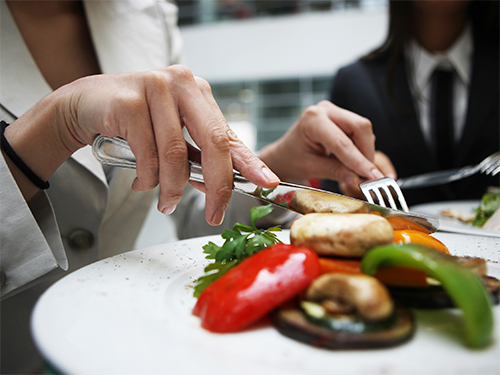
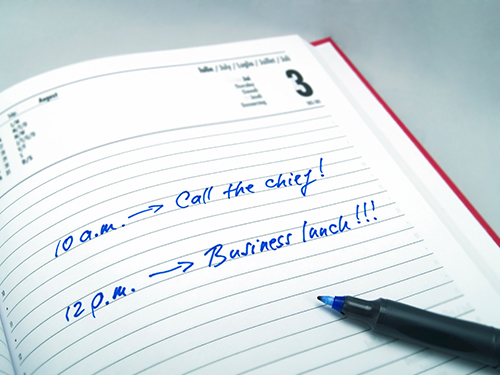
Food and beverages often play a key role in business meetings, contributing not only to the overall experience but also to participants' energy and focus. While planning nutritious, appealing, and budget-friendly options can be challenging, it's essential for supporting health and productivity. As an event planner, make sure to provide wholesome choices with sufficient protein that help maintain concentration and well-being throughout the meeting. According to the USDA's Dietary Guidelines for Americans, diets rich in fiber—such as those including fruits, vegetables, and whole grains—may reduce the risk of coronary heart disease. Additionally, incorporating dairy products can support bone health across the lifespan. By making informed, health-conscious food selections, meeting planners can create an environment that promotes both wellness and workplace performance.
Why is the Food Planner Task So Challenging?
Meeting planners often find it difficult to design a meal or refreshment break menu that provides nutritional balance and is appealing to all the meeting participants. Before planning a menu, it's a good practice to inquire about food allergies, dietary restrictions, and religious, ethnic, or cultural food practices on meeting registration forms. Once the meal is set for the meeting, include table tents of the food items on the buffet table to ensure everything is clearly labeled for those needing to make appropriate choices.
Ready, Set, Plan a Healthy Meeting!
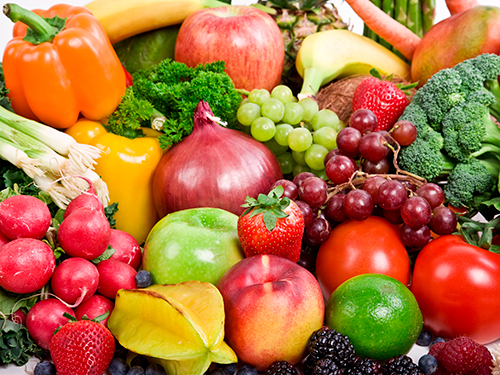
Aim to include a variety of nutritious foods that are low in fat, added sugars, sodium, and calories, while high in fiber. Reading food labels can help you better understand ingredients and make informed choices. Keeping portion sizes reasonable and menus simple—focusing on fresh, whole foods—often leads to healthier outcomes. For convenience and cost-effectiveness, consider offering fresh fruit and pre-cut vegetables instead of relying on expensive catering menus. When working with a food provider, look for those who offer balanced, health-conscious options to support your wellness goals.
When food is brought into your meeting, use the following tips to help ensure your choices are balanced, nutritious, and support overall wellness:
- When planning light refreshments, consider offering fresh or dried fruits like apple slices, grapes, raisins, or cranberries. You can also include options like mixed nuts, trail mix, or veggie sticks for added variety and nutrition.
- A healthy breakfast spread can include fresh fruit cups, yogurt parfaits with granola and berries, whole grain muffins or bagels, nut butters, hard-boiled eggs, and oatmeal with toppings.
- Look for foods that are freshly prepared using fresh ingredients. Select salads that are prepared with a variety of leafy greens, lean meat or low-fat cheese, and a colorful array of textures.
- Veggie trays are a colorful, crunchy option. Serve with a low-fat or fat-free dip! Salsa, hummus, or Greek yogurt mixed with fresh dill add interest, nutrients, and zest to the tray.
- Air-popped popcorn is a simple, budget-friendly snack that smells great and adds a fun touch to any meeting or event. To make serving easy and mess-free, bring a large spoon and individual cups or small bowls. For variety, consider offering optional toppings like a light sprinkle of sea salt, chili lime powder, or cinnamon for a healthy twist.
- Angel food cake paired with fresh fruit chunks and a creamy yogurt dip makes for a light, sweet, and satisfying treat—perfect for a healthier dessert option that still feels indulgent.
- Ice cold water with a twist of lemon or orange slices is a refreshing and economical choice for a beverage. Try a large pitcher of ice water with mint leaves and strawberry slices.
- A refreshing option is a blend of 100% fruit juice and club soda—light, bubbly, and naturally sweet without added sugars.
- Be sure to add a stretch break or two to the agenda! Everyone appreciates a chance to stand and stretch after sitting for a long period of time.
Smart Strategies for Making Restaurant Meetings More Effective
- Consider choosing a restaurant within walking distance of the office; it's a simple way to encourage light physical activity and give attendees a refreshing break.
- When planning your agenda, be sure to allocate enough time to walk to the restaurant, conduct your business discussion over the meal, and return to the office. If time is limited, inform the server upon arrival or call ahead to place your order in advance to help streamline the experience.
- If you are meeting with more than three people, make a reservation so the restaurant is ready for you when you arrive.
- Often restaurants will give a set menu to larger parties to help keep the costs more controllable and within budget.
- Check ahead of time to see if the restaurant can accommodate dietary restrictions, religious, or cultural dining requests.
- Choose a restaurant that offers a wide variety of menu selections such as interesting salads, nutritious side dishes, low-fat dressings, and lean foods that are prepared with low-fat cooking methods.
- Request nutrition information or check websites ahead of time to see if nutritional information is provided.
Providing nutritious, appropriately portioned, and visually appealing food at business meetings supports the health and well-being of employees. By offering snacks that align with dietary needs and avoiding high-fat, high-sodium, and overly sweet options, businesses promote a healthier workplace culture. Ultimately, incorporating healthy food choices into meetings benefits both employers and employees, contributing to overall productivity and wellness.
Roasted Garlic Hummus
Hummus is easy to make and full of nutrients! It makes a delicious spread on your sandwich or is perfect as a dip for fresh veggies. It works well to have chickpeas (garbanzo beans) on hand to prepare the hummus for a work-day snack. Hummus is easy to make and is not too messy when eating at your desk.
Ingredients
- 1 head fresh garlic
- 1 tablespoon olive oil for roasting garlic
- 1 can chickpeas, drained and rinsed
- Sprinkle of salt & pepper
- 2 tablespoons olive oil for hummus
Preparation Steps
- Preheat the oven to 350 degrees (if you have a toaster/broiler oven you can use it instead of heating your large oven). Cut a piece of aluminum foil about 12 inches square. Cut the garlic head in half crosswise. Place it on the foil. Drizzle olive oil over the cut sides of the garlic. Put the garlic back together and seal the foil tightly. Bake at 350 degrees for 40 minutes. The garlic cloves will be soft and fork tender.
- When cool enough to handle, squeeze the garlic cloves out of the head. Set aside.
- Place chickpeas and garlic in a food processor. Add a sprinkle of salt and pepper to taste.
- Add 2 tablespoons of olive oil. Blend until thick and smooth. Add additional salt and pepper to taste.
- Serve hummus with whole grain pita bread, or fresh carrots, broccoli, celery, and red or green peppers. Enjoy!
This fact sheet is one of a four-part series with titles Workplace Wellness: Healthy Eating While on the Job; Workplace Wellness: Ways to Increase Your Physical Activity on the Job; and Workplace Wellness: Stress Less on the Job also available.
Additional Information
For more information, visit these websites:
- Department of Family and Community Health Sciences
- Have a Plant: Fruits and Veggies for Better Health
- Choose MyPlate
- Eat Right: Academy of Nutrition and Dietetics
This publication is based on the work of Joanne Kinsey, MS, CFCS, CWWS, Family and Community Health Sciences Educator, Emerita.
June 2025
Copyright © Rutgers, The State University of New Jersey. All rights reserved.
For more information: extension.rutgers.edu.
Cooperating Agencies: Rutgers, The State University of New Jersey, U.S. Department of Agriculture, and Boards of County Commissioners. Rutgers Cooperative Extension, a unit of the Rutgers New Jersey Agricultural Experiment Station, is an equal opportunity program provider and employer.