
Fact Sheet FS1391
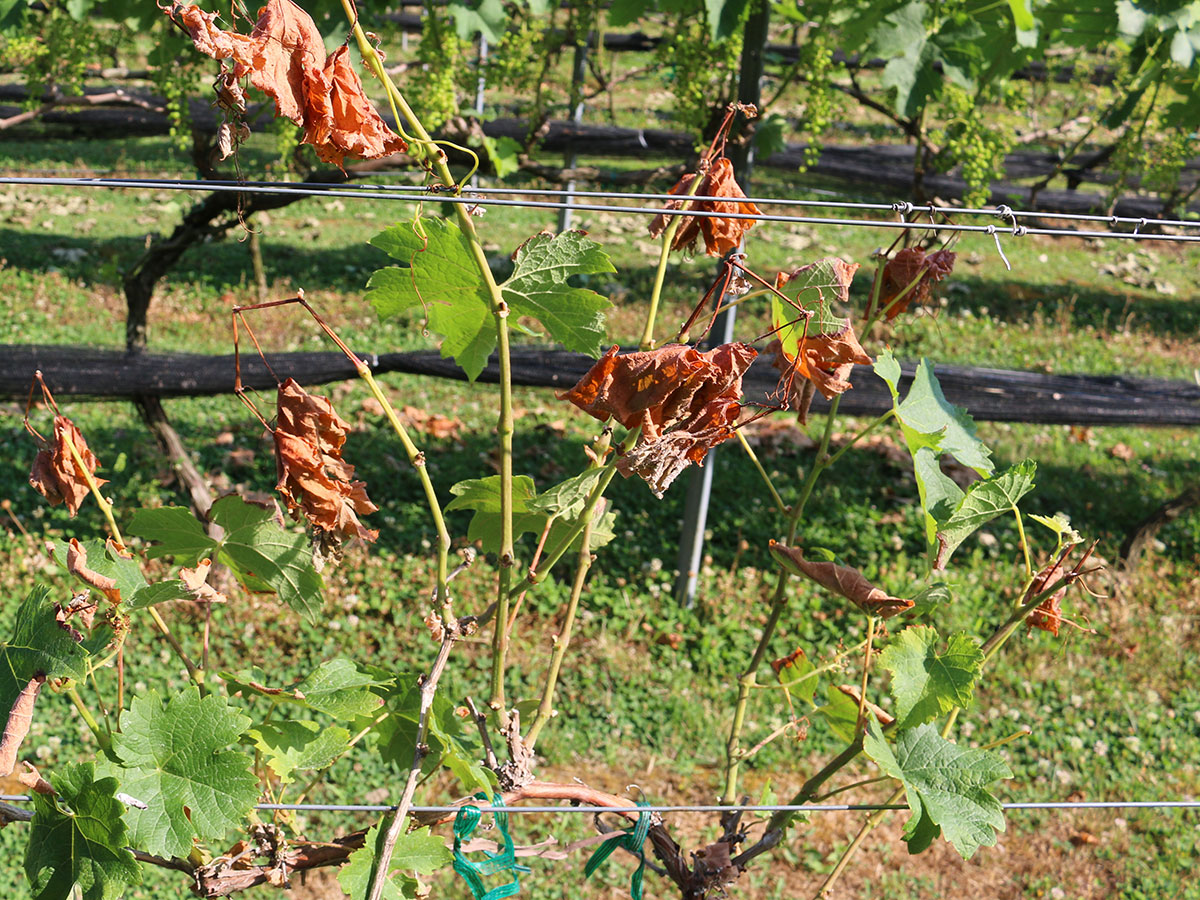
Figure 1: Evidence of leaf browsing by deer in early spring. The grapevine is declining due to continuous deer damage over the years.
New Jersey's high deer population significantly threatens vineyards, particularly those near wooded areas. Deer are a pest, especially on young vines and during the early growing season when food sources are scarce and tender shoots are emerging. Deer management is needed for long-term productivity of most vineyards in New Jersey.
Identifying the Deer Damage
Deer do not have upper incisors, so leaves browsed by deer have a rough, torn, and shredded appearance from the lower front teeth but no tooth marks (Figure 1). This can cause substantial crop loss and even compromise the health of the vines, specifically if the same vine is damaged over the years (Figure 1). Fortunately, secondary grapevine buds can grow and produce replacement shoots when the actively growing shoot tip from the primary bud is damaged. A new shoot from a basal bud may not be as productive, however, it will ensure new vegetative growth, sustaining the canopy of the grapevine.
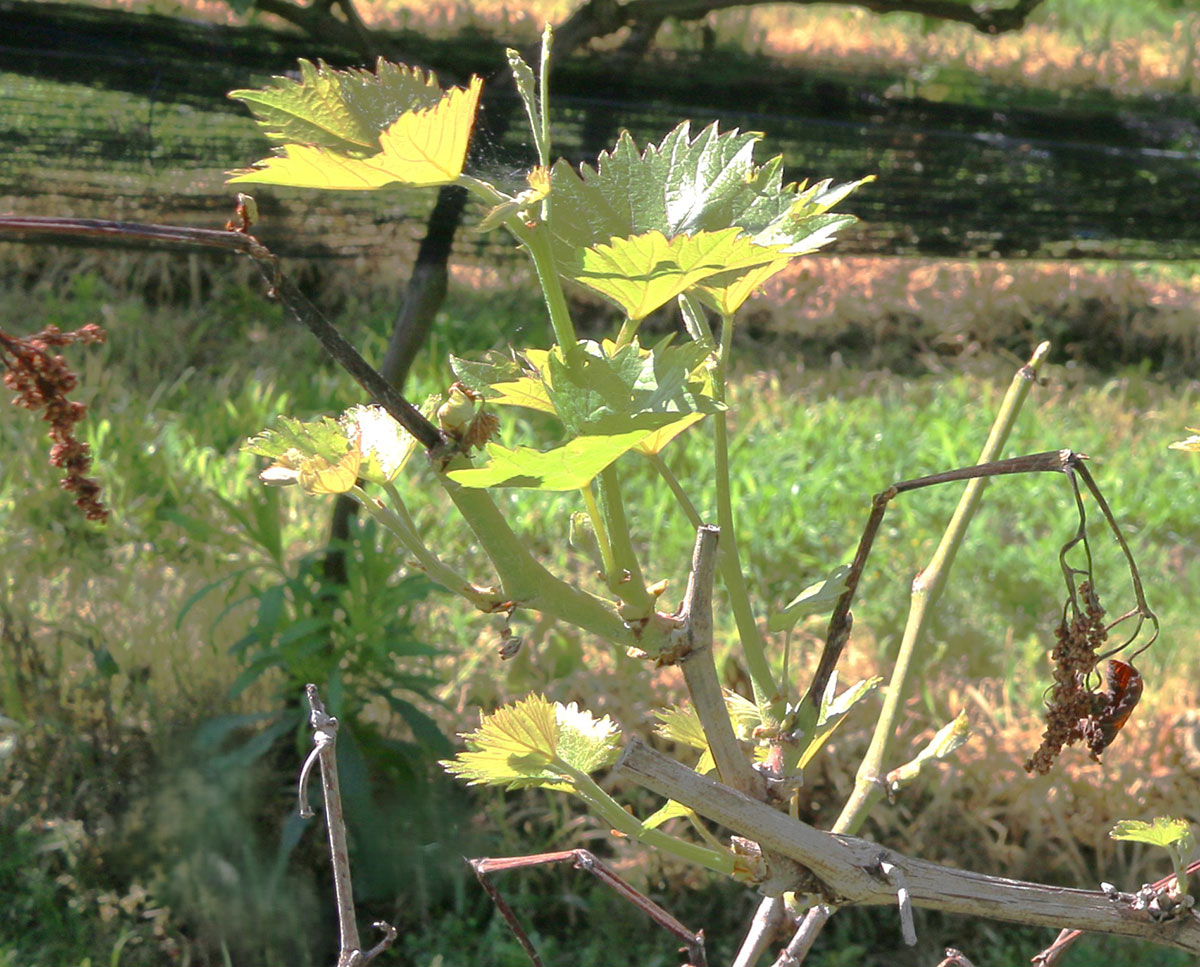
Figure 2: The emergence of shoot from the secondary bud after the destruction of the terminal growth by deer damage. The new shoot has a flower cluster.
Not all vineyards are equally affected. For example, deer have consistently damaged the 5–6 vines of border rows in previous years at a southern NJ-based vineyard. The damage is consistently limited only to those few vines, so no specific prevention method is used. Generally, once the shoot has reached the second catch wire, there is more leaf damage while the apical shoot continues to grow. If the apical growth is damaged, new shoots will grow from lateral buds, and they can be productive, albeit with reduced yield (Figure 2). All routine cultural practices should be continued to keep this new growth healthy and develop healthy basal buds for the following year's growth.
Management
Well-maintained, Permanent Fence
A well-maintained, permanent fence promises permanent exclusion. Exclusion is the best strategy for any deer-affected vineyard to avoid deer damage, even at the cost of aesthetics. Some growers have mentioned that they do not like the industrial look, which may not appeal to winery customers. The reality is that in most NJ vineyards, deer fencing is a necessity.
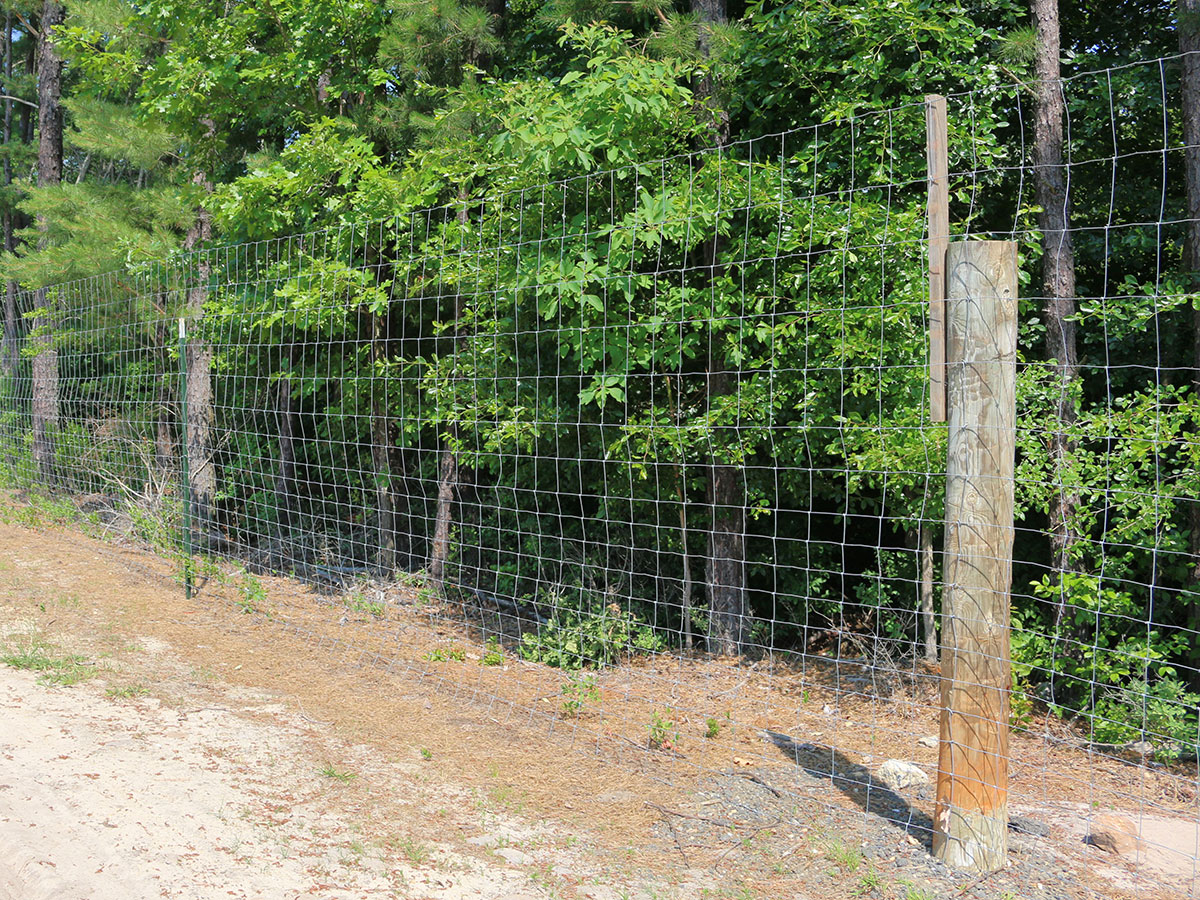
Figure 3: The permanent, eight-foot-high fence with metal posts between wooden posts (right) reduces fencing expense.
With large, wooded areas and multiple open access points, the requirement for permanent fences could increase substantially. For effective deer fencing, a minimum 8-foot-high, woven-wire fence is a must (Figure 3). A 2008 study indicated that a fence height of 6 feet excluded 14% of deer, a 7-foot fence excluded 85% of deer, and an 8-foot fence excluded 100% of deer.
The fence should create a complete enclosure. Figure 4 is an example of 2 feet of straight wire fencing over 6 feet of woven-wire fence, giving the fencing height a total of 8 feet; however, the deer was able to jump through (Figure 4).
If there is a gate, use netting or other material to prevent deer from passing under the gate (Figure 5) or between the gates. A gap of 10 inches under a gate can allow the passage of an adult white-tailed deer. Deer can squeeze through horizontal gaps of as little as 7.5 inches, so care should be taken to ensure gates fit together properly. Cattle guards, automatic gates, or bump gates can be used as alternatives to traditional manual gates.
An exclusion fence should be part of the basic vineyard development budget. In the absence of a fence, tall grow tubes can be used during the first year. The tubes work as an exclusion method until vines grow out of the tubes.
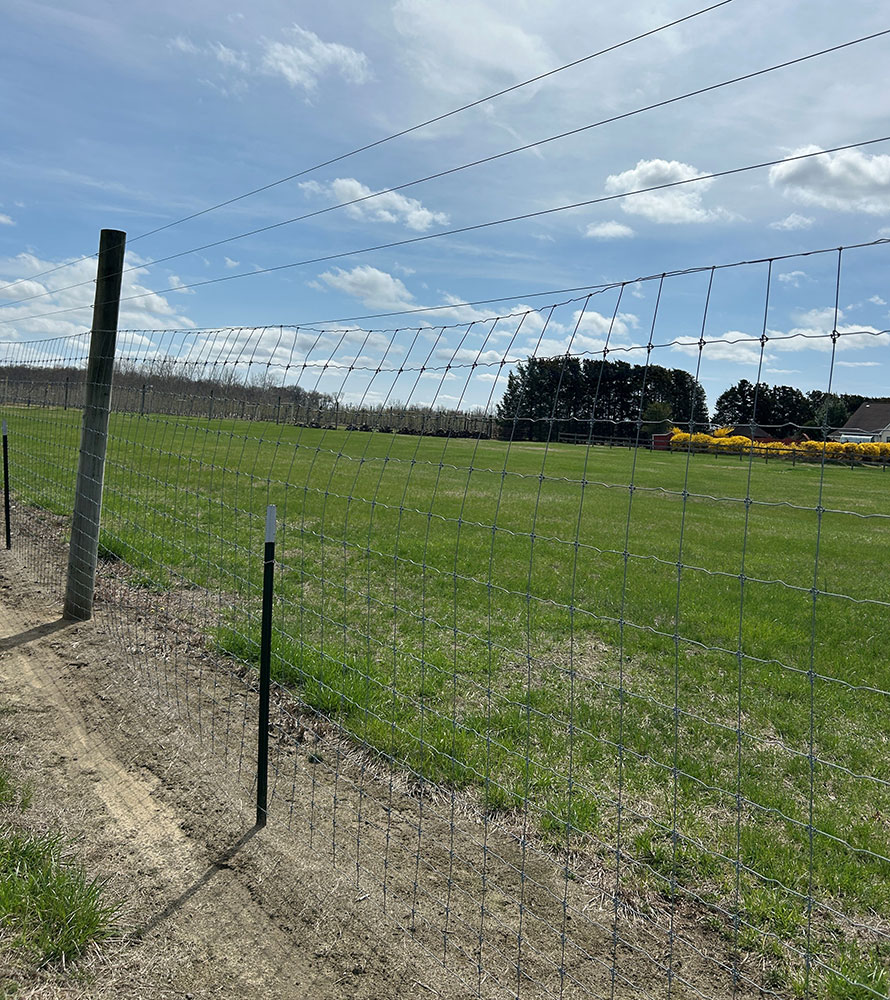
Figure 4: The deer jumped through the 8-foot catch wire. A 2-foot straight wire fence above 6 feet of woven-wire fencing was ineffective.
Permission from the township may be required for the fencing and the township may also ask for written approval from the neighbors. Fencing is expensive. A recent job by a local outfit cost around $12,000 to fence a 2.5-acre vineyard in southern New Jersey. However, the fencing cost can be staggering for a much larger area. Fence costs can be reduced by increasing the distance between wooden posts and installing metal posts between the wooden posts (Figure 3). The New Jersey Department of Agriculture sometimes offers cost-share funds for wildlife fencing materials. For more information, including the application form, a notice of availability and eligibility, and information about New Jersey growers, visit Wildlife Fencing on the NJ Department of Agriculture website.
Once fencing has been installed, property owners should be prepared to maintain the fence. The perimeter of the fence should be routinely checked for damage to fencing and gates. A tree falling on the fence, coyotes and foxes digging under a fence, cars running into fences or gates left open, may allow deer to access the vineyard. Once a deer gains access to a fenced vineyard, it may be difficult for the deer to get out of the fence.
Temporary Electrical Fencing
Temporary electrical fencing is a lower-cost alternative. If the area affected by deer is small, temporary electrical fencing using end posts and anchor wires will prevent deer from accessing the vineyard. The wires can be removed or laid on the ground to allow tractor or labor movement. This low-power system generates low current from a small solar panel mounted at the top of a fence post (Figure 6) or a battery.
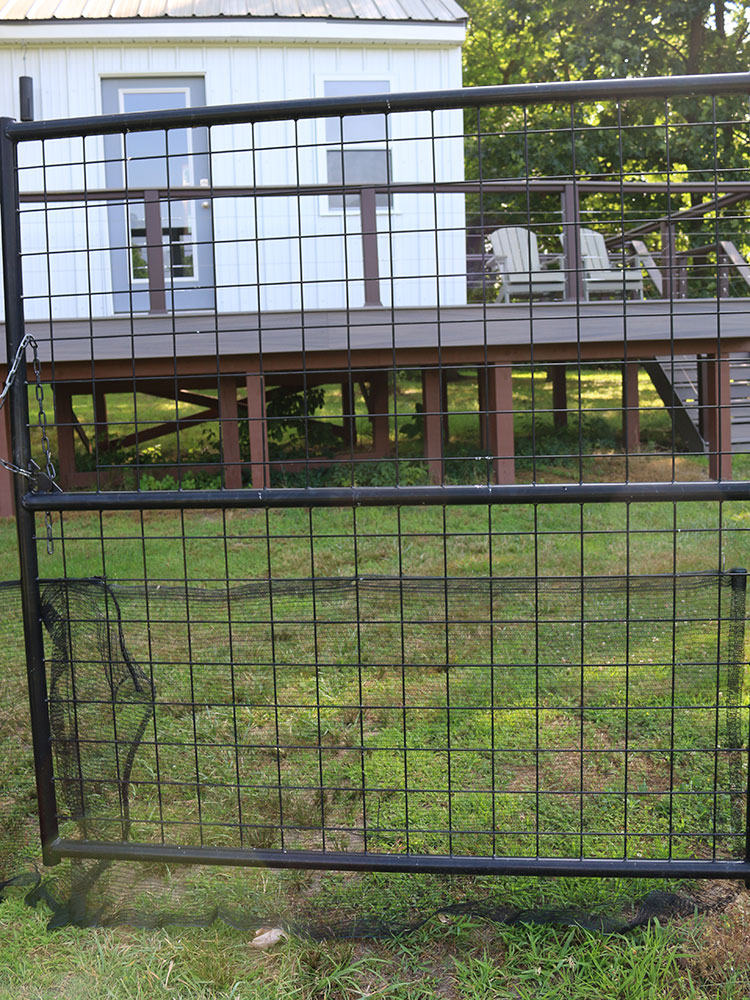
Figure 5: Netting to cover the space under the gate.
Solar-generated power can sometimes be weak and may not be enough to scare the deer. Rechargeable batteries can generate higher voltage, but the batteries must be recharged often. This is an inexpensive system; however, temporary fencing may not be practical in the case of extensive vineyards. Deer can avoid these temporary-fenced blocks and enter an unfenced block, as they can change their feeding behavior.
Removing Deer
Removing deer can be an effective and affordable way to control deer damage in remote vineyards away from human habitation.
Lethally Removing Deer
Deer can be lethally removed during the regulated hunting season or outside the hunting season with a permit from the New Jersey Fish and Wildlife (NJFW). Ensure you comply with the depredation permit regulations available on the Fish and Wildlife Service website. There are professional service providers with extensive experience in deer management. In areas where the traditional hunting may not be a viable option, Community-Based Deer Management Permits (CBDMP) could be used that allows local communities to apply for special permits to manage overabundant deer population. Applicants may be required to demonstrate significant deer-related damage such as crop loss.
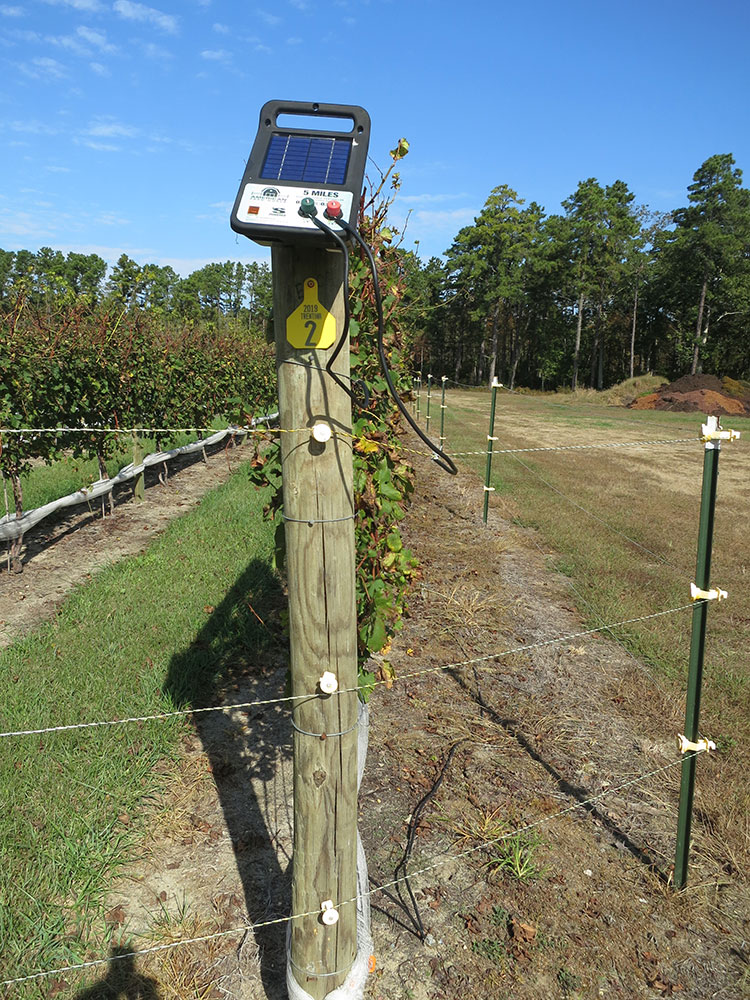
Figure 6: The temporary fencing surrounds the periphery of the planted vines. The solar panel on the top of the post powers a fence charger which generates a high voltage - low current charge.
Non-lethal Management Options
Non-lethal management options are a short-term solution and work best in small-scale areas. There are various ingredient-based repellents, however, odor sprays containing animal-based proteins are somewhat more effective than others in deterring deer. Though, the factors such as palatability, rain events, and other food sources may influence the repellent effectiveness. Spray around the vineyard or mount on the trellis system before the deer begin feeding. Sound repellent can also be effective; however, with repeated exposure, deer often become habituated after the initial scare.
Dogs can be trained to protect the vineyard. However, the challenge is to keep the dogs within the vineyard. Many systems establish an invisible perimeter using a buried wire that transmits a radio signal to the dog's collar that defines the boundary. Complete covering of the fence with dark cloth to block the vineyard from view is typically ineffective, as completely blocking the view of the entire vineyard from a distance is generally not possible. Also, deer use smell to detect edible material so hiding the view may not serve the purpose.
References
- Grande J. and Katz L. 2010. High tensile woven wire fences for reducing wild-life damage. Rutgers NJAES FS889.
- Loegring J.P. and Witt M.E. 2024. How to manage deer damage on trees and other plants. The University of Minnesota Extension.
- Maslo B. and Wehman S. 2013. An overview of white-tailed deer status and management in New Jersey. Rutgers NJAES FS1202.
- VerCauteren K.C., Van Deelen T.R., Lavelle M.J., Hall W.H. 2010. Assessment of abilities of white-tailed deer to jump fences. Journal of Wildlife Management. 74:1378–81.
March 2026
Copyright © Rutgers, The State University of New Jersey. All rights reserved.
For more information: extension.rutgers.edu.
Cooperating Agencies: Rutgers, The State University of New Jersey, U.S. Department of Agriculture, and Boards of County Commissioners. Rutgers Cooperative Extension, a unit of the Rutgers New Jersey Agricultural Experiment Station, is an equal opportunity program provider and employer.