
Fact Sheet FS232
An Introduction to Diamondback Moths
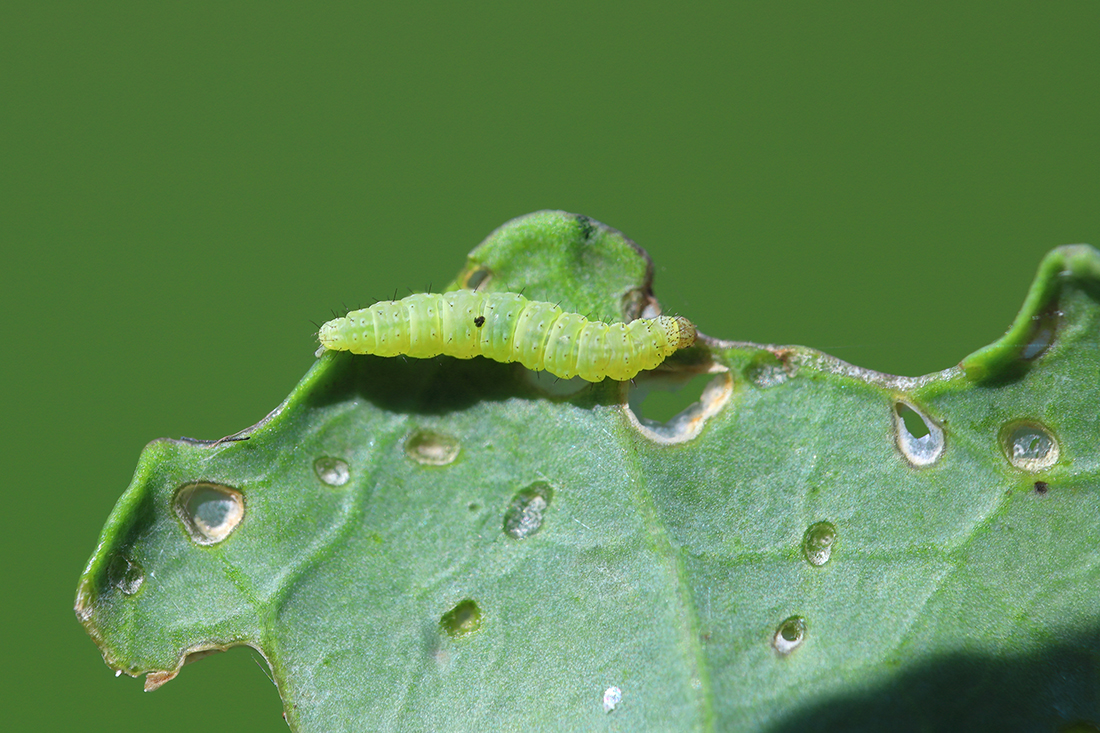
Figure 1: Diamondback moth caterpillar and leaf damage on cabbage.
Diamondback moth caterpillars (Plutella xylostella) are among the most significant and destructive pests of cruciferous plants, particularly members of the genus Brassica, affecting cabbage, Brussels sprouts, broccoli, kale, collards, mustard, kohlrabi and canola. Occasionally, tomato plants may also be a target of this pest. Genetic analysis indicates that this pest originated in South America and has since spread across the world. It was first documented in the United States in the 1850s, and in 2012, the estimated global cost of management had reached 4–5 billion dollars, with most expenses attributed to insecticide application. The larvae (caterpillars) are responsible for the damage, as the adult moths do not consume plant foliage. It is commonly described in literature as one of the most widely distributed species of Lepidoptera, as it is found worldwide and across North America wherever cruciferous crops are cultivated. Management of these pests in the United States has an estimated cost of 150–200 million dollars a year. This pest can affect gardeners in New Jersey from spring, through summer, and even fall, when Brassica crops may be planted in the garden.
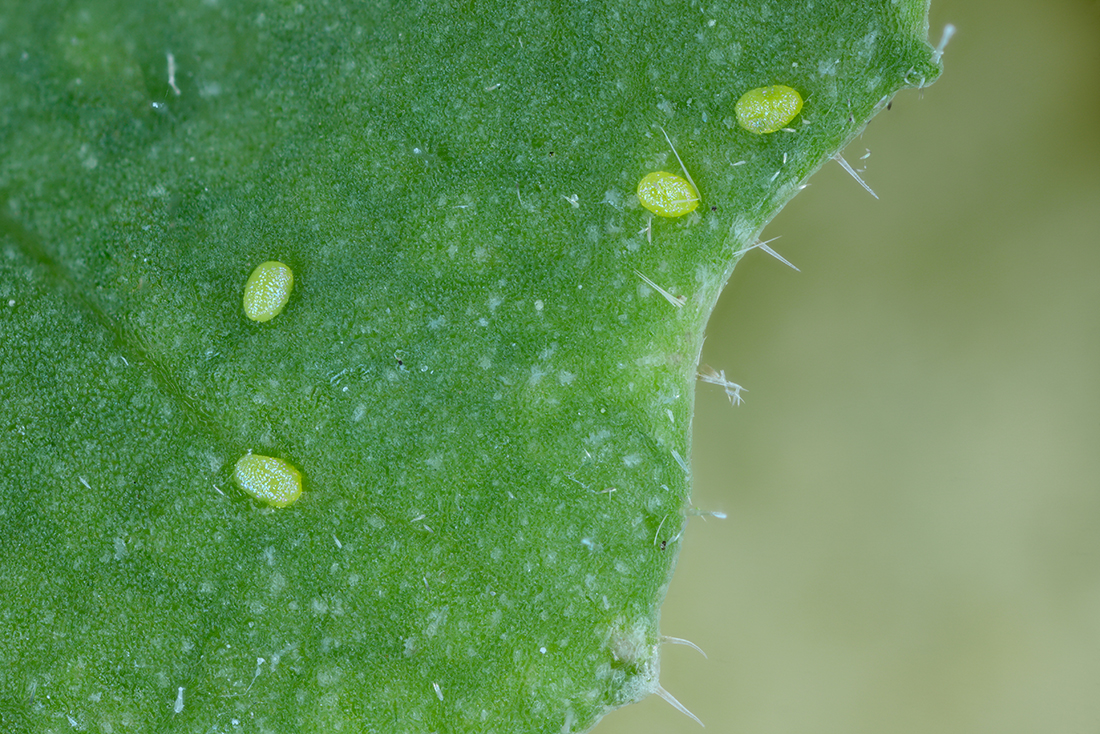
Figure 2: Eggs of diamondback moth.
Diamondback moths are highly adaptable and have a remarkable capacity for developing resistance to insecticides. They also produce multiple generations a year, up to 15 in warmer climates and 3–4 in cooler climates, which can accelerate resistance evolution. As of early 2026, they have exhibited resistance to 104 active insecticidal ingredients, according to the Arthropod Pesticide Resistance Database. Due to this pest's major economic damage and limitations of chemical control, extensive research has been done in search of a solution for growers, including biological control and integrated pest management, which will be discussed further in the Management section of this fact sheet.
Description and Life History
Diamondback moths have 4 stages in their life cycle: egg, larva, pupa and adult. The total development time depends on temperature but may take around 40 days. They will develop in temperatures between 46°F and 90°F, with the highest survival occurring at 57°F. However, a lab study in Australia in 2025 showed larvae, pupae and adult stages surviving at freezing temperatures (23°F) for a varying number of days, increasing their survival as they develop. While the mechanism of overwintering is unknown, it is generally agreed upon by scientists that diamondback moths do not overwinter during diapause, meaning they lack a dormant, cold-hardy stage and therefore cannot survive prolonged periods of freezing. Very hot temperatures can reduce the reproductive capacity (fecundity) of this species.
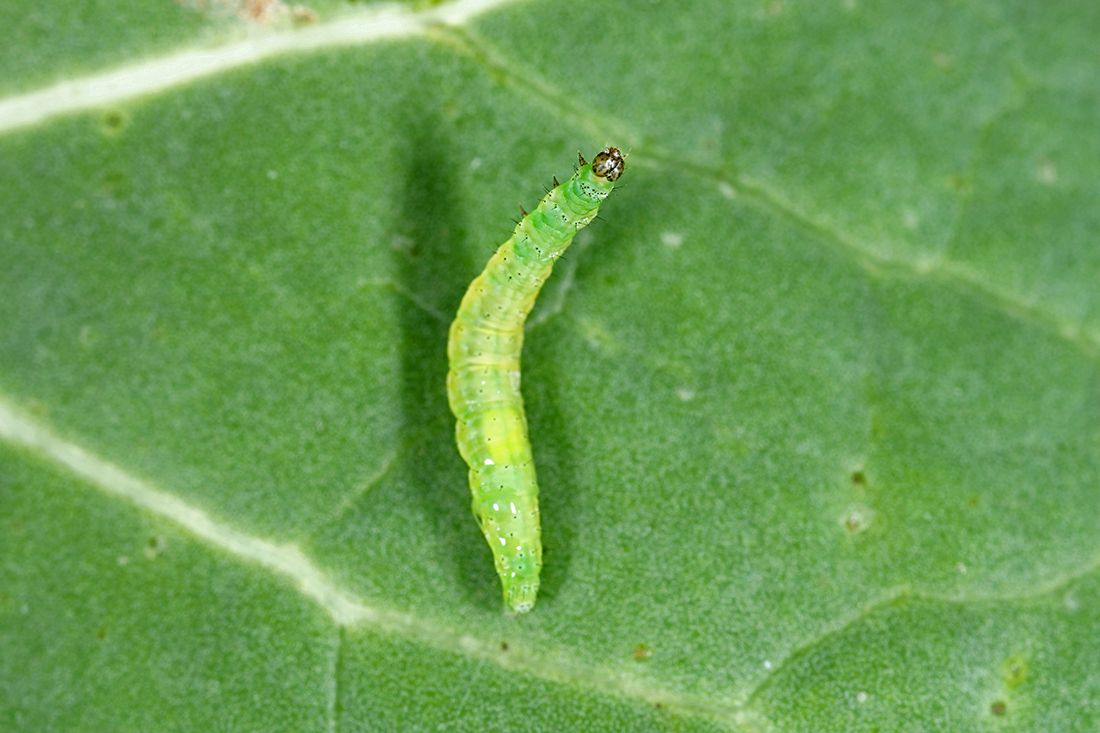
Figure 3: Diamondback moth larva.
Egg
Eggs appear yellow or pale green and are flattened and oval, measuring approximately 0.017 inches in length and 0.01 inches in width. They are laid singly or in groups of 2–8, typically in the depressions on the leaf surface. The eggs may hatch in 2–20 days, with an average of 6 days, and are highly temperature dependent.
Larva
The larvae, or caterpillars, have four instars (stages), beginning colorless or pale white as the first instar and later, green in the subsequent stages, with a dark head capsule visible throughout. Their body tapers at both ends, with a "V" forming at the posterior end from a pair of prolegs. There are 5 pairs of prolegs, which aid them in gripping the surface of the leaf.
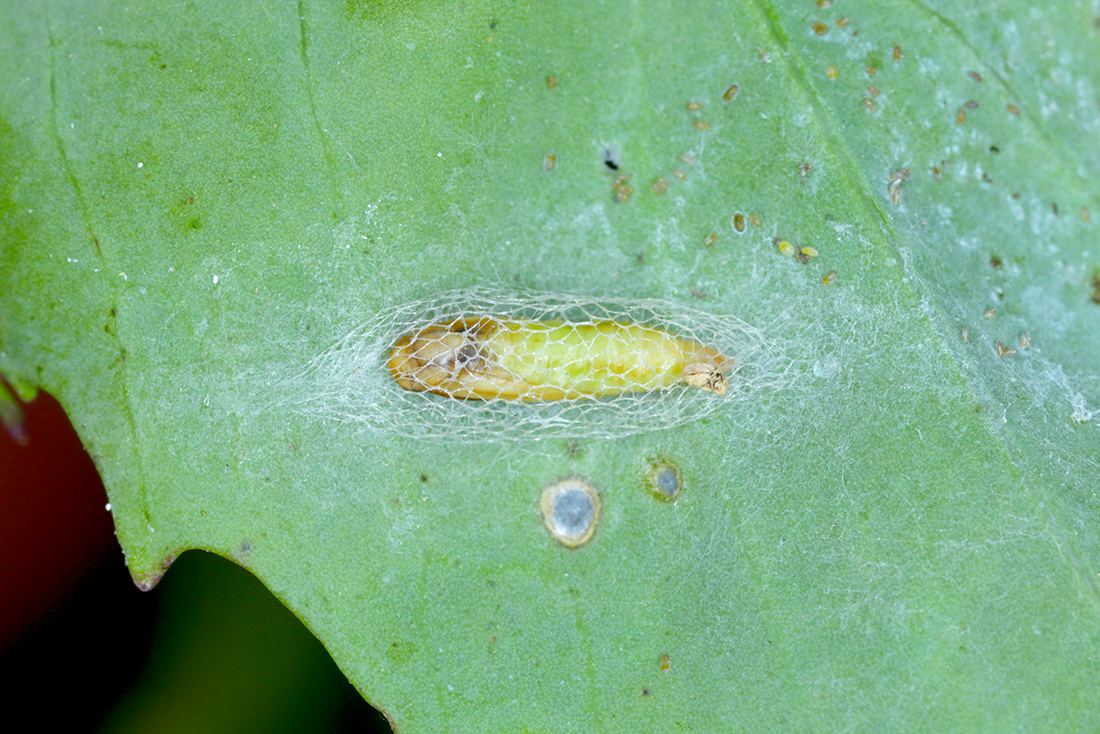
Figure 4: Diamondback moth pupa within a cocoon.
They begin chewing the leaf at the first instar and will eventually move to the underside of the leaf, molt, and continue leaf mining. If disturbed, they may wiggle backwards over the leaf surface and once at the edge, they will spin down from a silk-like thread. Larvae will fully develop in 20–28 days and may grow from around 0.06 inches to 0.44 inches in length.
Pupa
Larvae will form a loose, delicate-appearing, lace-like cocoon on the underside of the leaf where they will pupate after a few days of quiescence (dormancy). For broccoli and cauliflower, pupae may be found in the florets. Pupae are around 0.28 to 0.35 inches long, and over time will change from yellow to a brownish color as they develop. Pupae will complete their development in the cocoon within 5 to 15 days.
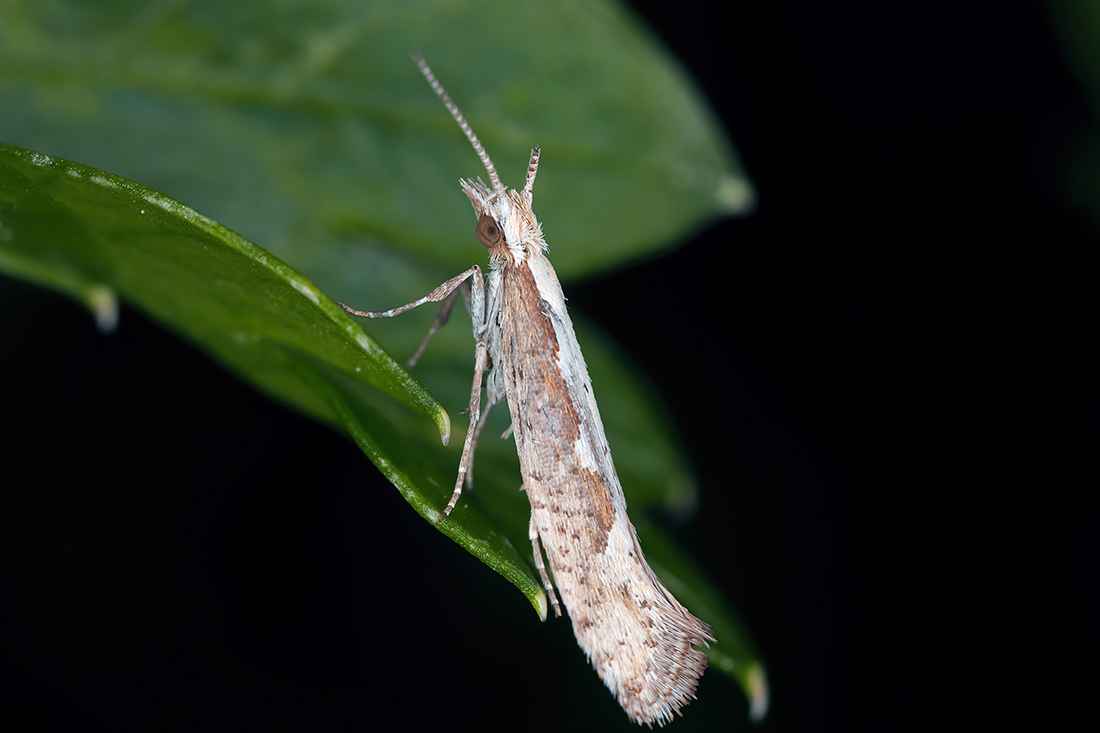
Figure 5: Adult diamondback moth.
Adult
Adult moths are grayish-brown, small, slender, and about 0.24 inches in length, with a wingspan doubling that. When the wings are together during rest, it creates the appearance of diamond-like shapes along the white band in the center of its back (which is especially prevalent on the males), giving this moth its name, “diamondback.” The ends of the wings appear to fringe upwards. Antennae are distinct and easily visible.
Diamondback moths are weak fliers, travelling short distances, usually within 6 feet of the ground. Adults will be found resting during the day, and active just before dusk, when mating and oviposition occurs. Females will lay an average of 150 eggs over approximately 10 days, continuing the lifecycle. Moths will live an average of 2 weeks but can live as long as 8 weeks.
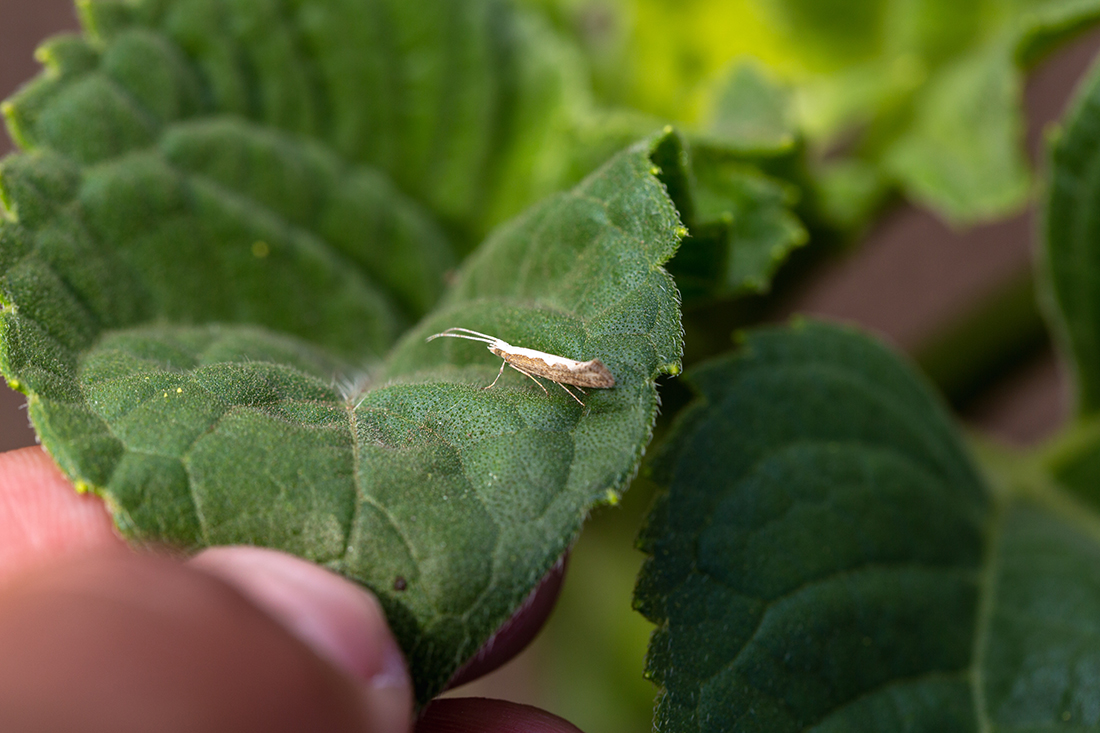
Figure 6: Diamondback moth on a Brassica plant from further away.
Adults will overwinter in temperate areas, yet do not survive well during extended freezing winters, such as in Northern Canada. Overwintering studies suggest diamondback moths can overwinter as far north as about 43°N latitude in eastern North America, meaning New Jersey falls within an area where they may survive through the winter. These moths are readily carried by wind and may repopulate regions from warmer climates during the spring.
Evidence of Diamondback Moths in the Garden
One sign of diamondback moths in the garden is the presence of transparent, window-like holes within the leaves. This damage results from late instars of the larvae feeding on the underside of the leaf, creating irregular patches while leaving the upper epidermal layer and veins intact.
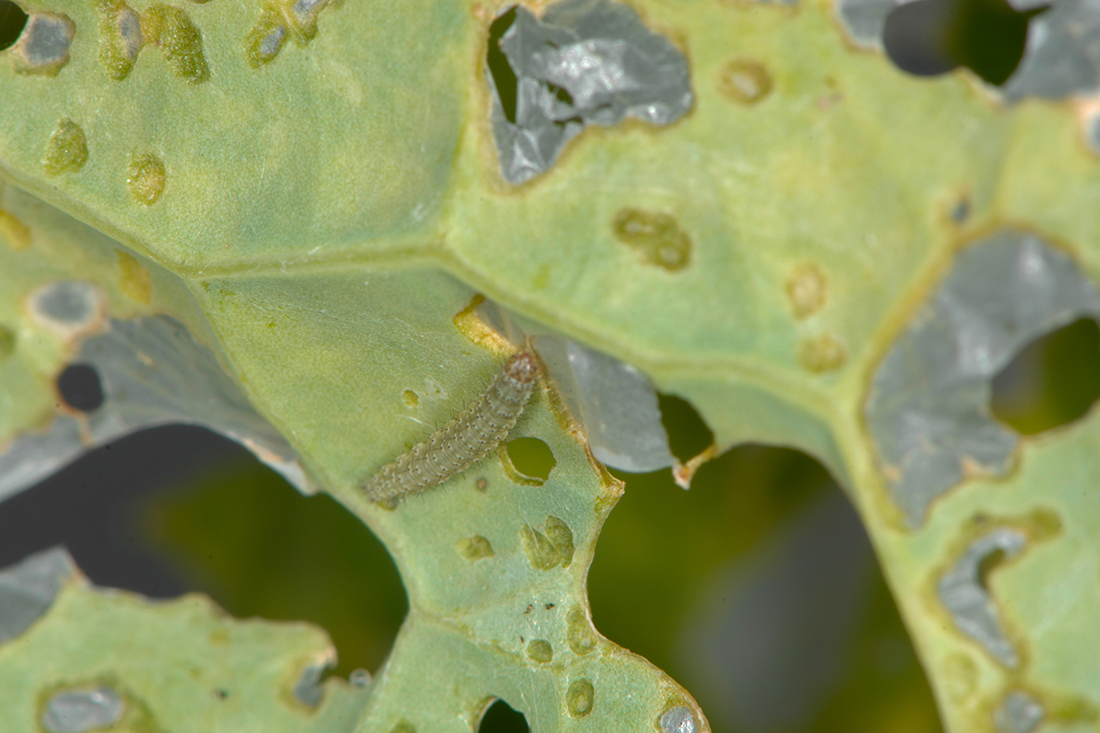
Figure 7: Window-like leaf damage from diamondback moth larvae.
This feeding can lead to unattractive harvests and loss in plant products. Additionally, larvae may occur in large numbers and cause extensive damage, which can result in complete loss of leaf tissue where only the veins remain. Young plants are especially vulnerable, as high larval numbers can stunt growth or prevent seedlings from surviving. Cocoons containing pupae may be present on the underside of leaves or within florets. Adult moths may also be visible on or around the plant.
Management
Integrated pest management (IPM) is recommended for this species due to its difficulty in management. IPM combines monitoring with cultural, biological, physical, and chemical control, focusing on prevention, managing resistance, and only using organic insecticides when needed.
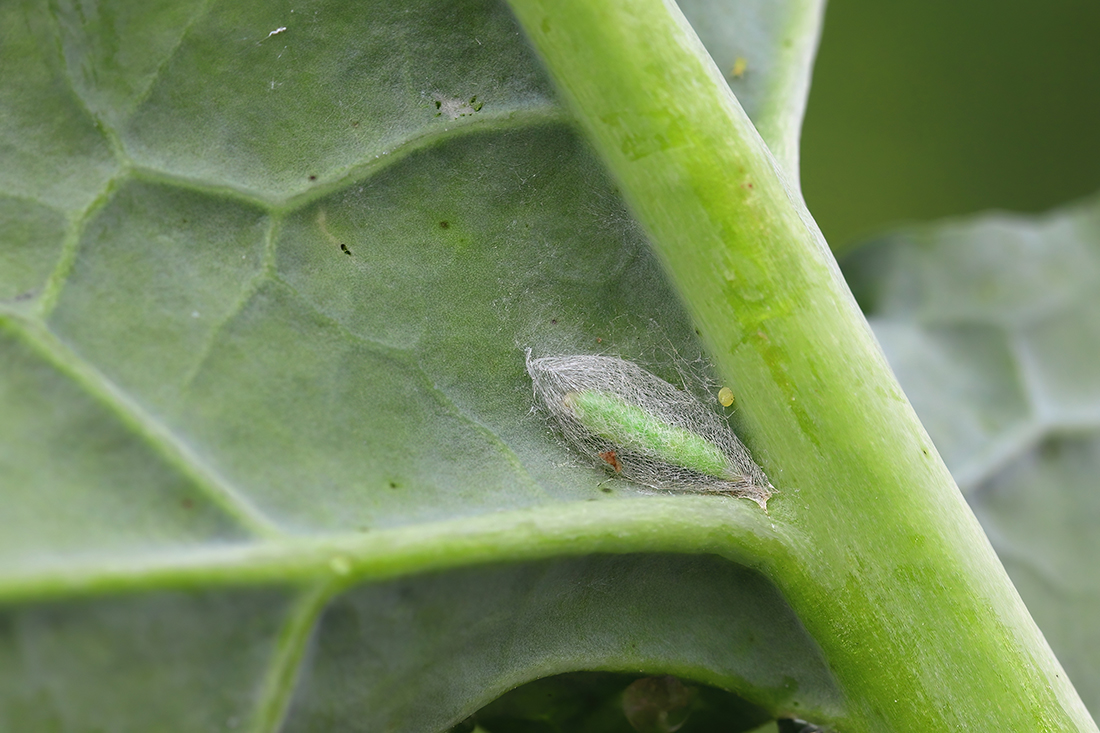
Figure 8: More evidence of leaf damage from diamondback moth larvae.
Monitoring and Physical Control
Given its resistance to many insecticides, preventative management is critical when growing any Brassica spp. crops in any season including spring, summer and fall. Consistent monitoring is an important first step in preventative care. Plants should be inspected regularly for eggs or larvae, and any larvae or leaf damage, such as holes, should be recorded to determine whether additional treatment is necessary or if the management methods are working. If planting transplants, they should be thoroughly inspected for any insects, as they may travel with the plant through transport. Floating row covers, which are lightweight sheets that are laid directly over the plant, can be used as a physical barrier to protect pest-free plantings or transplants from diamondback moths. These row covers allow air, water and light through, but the moths will not be able to penetrate the sheet and therefore cannot lay eggs on the crops. Traps specific for adult diamondback moths can also be purchased. Additionally, research indicates that 380 nm LED light traps may be useful in managing the moths, as they are attracted to that wavelength of light. While it is impractical for heavily infested crops, larvae can also be handpicked from the plant and dropped into a soapy bucket of water.
Cultural Control
Cultural control involves altering the environment of the plant to make it unfavorable for diamondback moths. Crop rotation is a useful method in reducing the population of this species, so sequential planning should be avoided. Rotating crops within the garden across growing seasons helps disrupt the pest's life cycle and reduces its ability to survive over the winter. It has also been shown that larvae do not survive well from rainfall, and farmers or advanced backyard gardeners should utilize overhead irrigation where possible when growing Brassica plants. Additionally, yellow rocket, also known as wintercress (Barbarea vulgaris), can act as a trap crop when planted next to cabbage. In one study, diamondback moths laid 110 times more eggs on yellow rocket than on cabbage, and no larvae survived on the yellow rocket. This suggests that yellow rocket is a useful plant for drawing pests away from cabbage without increasing diamondback moth populations.
Biological Control
Natural predators of diamondback moths, including parasitoids, play an important role in controlling their population. Trichogramma pretiosum targets the egg stage, whereas Cotesia plutellae, Diadegma insulare, Diadromus subtilicornis, and Microplitis plutellae primarily parasitize larvae. T. pretiosum can be purchased by homeowners online, in the form of dispensers or capsules. Dispensers may be easiest for homeowners and smaller gardens, and they are typically hung on the side of the plant, releasing the beneficial wasps gradually. Parasitoids do not have a stinger and thus do not pose a threat to humans.
Various garden predators, including ground beetles, predatory true bugs and spiders, which consume the eggs and larvae, may also aid in managing this species. Insecticide use may kill or harm the beneficial insects that may target diamondback moths, so caution should be applied when using biological methods in combination with chemical control. Bacillus thuringiensis, a bacterial insecticide used to control caterpillars, may also be applied, although some diamondback moth populations have developed resistance to it. Also, Spinosad formulations can be applied as a pure liquid or soapy spray. This organic insecticide comes from a natural soil bacterium, Saccharopolyspinosa. Further, various research studies have been done on improving biological control methods, such as the 2015 Diamondback Moth Project from Cornell University, and the 2022 Diamondback Moth Project in California, exploring the use of genetically modified diamondback moths and parasitoids, respectively (linked below in related resources).
Chemical Control
Because of this species' prolific capability of developing resistance, chemical insecticides should only be used in home gardens when other control methods fail. Local county extension offices can offer advice for the use of pesticides and other tools when dealing with diamondback moths in the garden.
If you need further assistance, please contact the Rutgers Gardener Helpline at
Go.Rutgers.edu/GardenHelpline or contact your county Extension office.
This is based on the original work of Dr. Gerald M. Ghidiu, Extension Specialist Emeritus in Vegetable Entomology, Retired.
Related Resources
- Scientists Find Origin and Spread of Diamondback Moth Using Genome Analysis:
More information on the origin of the Diamondback moth. - Arthropod Pesticide Resistance Database - DBM:
List of Active Ingredient Resistance of the Diamondback moth. - Diamondback Moth Project, California, USDA-ARS
- Diamondback Moth Project, Cornell University
Please see FS1123, Vegetable Insect Control Recommendations for Home Gardens, for more information.
References
- Capinera, John L. 2025. Diamondback Moth, Plutella xylostella (Linnaeus) (Insecta: Lepidoptera: Plutellidae). University of Florida, Department of Entomology and Nematology, University UF/IFAS Extension. EENY-119. (accessed 12/25/2025).
- Dancau, Tina, Peter G. Mason, and Naomi Cappuccino. 2018. Elusively Overwintering: A Review of Diamondback Moth (Lepidoptera: Plutellidae) Cold Tolerance and Overwintering Strategy. The Canadian Entomologist 150.2: 156–173. Web. (accessed 12/25/2025).
- Deiss, Fanny. 2024. Comprehensive Guide to Identifying and Managing the Diamondback Moth. BioProtection Portal. Web. (accessed 12/25/2025).
- Delahaut, Karen. 2004. Diamondback Moth. University of Wisconsin-Madison, Fresh Market Vegetable Program. (accessed 12/25/2025).
- Diamondback Moth Project. U.S. Department of Agriculture Agricultural Research Service. Web. (accessed 12/25/2025).
- Gu, Hainan. 2009. Cold tolerance and overwintering of the diamondback moth (Lepidoptera: Plutellidae) in southeastern Australia. Environmental Entomology, vol. 38,3: 524-9. (accessed 12/25/2025).
- Muthomi, Purity K., Dakshina Seal and Oscar E. Liburd. 2025. Diamondback Moth Management in Cole Crops. University of Florida, Department of Entomology and Nematology, UF/IFAS Extension. ENY2119. (accessed 12/25/2025).
- Nault, Brian. 2004. Evaluating Trap Crops for Diamondback Moth, Plutella Xylostella (Lepidoptera: Plutellidae). Journal of Economic Entomology. (accessed 12/25/2025).
- Philips, C. R., et al. 2014. Natural History, Ecology, and Management of Diamondback Moth (Lepidoptera: Plutellidae), With Emphasis on the United States. Journal of Integrated Pest Management, vol. 5, no. 3, pp. D1–D11. (accessed 12/25/2025).
- Riley, David. 2025. Diamondback Moth. University of Georgia Cooperative Extension, Integrated Pest Management. (accessed 12/25/2025).
- Schug, Hayden. 2025. Diamondback Moth in Fall Cole Crops. University of Maryland Extension. (accessed 12/25/2025).
- Yun, Chol-Nam, et al. 2023. Evaluating the Phototactic Behavior Response of the Diamondback Moth, Plutella Xylostella, to Some Different Wavelength LED Lights in Laboratory and Field. Journal of Asia-Pacific Entomology, vol. 26, no. 3, p. 102080. (accessed 12/25/2025).
- Zalucki, Myron P., et al. 2012. Estimating the Economic Cost of One of the World's Major Insect Pests, Plutella xylostella (Lepidoptera: Plutellidae): Just How Long Is a Piece of String? Journal of Economic Entomology, vol. 105, no. 4, pp. 1115–1129. (accessed 12/25/2025).
March 2026
Copyright © Rutgers, The State University of New Jersey. All rights reserved.
For more information: extension.rutgers.edu.
Cooperating Agencies: Rutgers, The State University of New Jersey, U.S. Department of Agriculture, and Boards of County Commissioners. Rutgers Cooperative Extension, a unit of the Rutgers New Jersey Agricultural Experiment Station, is an equal opportunity program provider and employer.