


Fact Sheet FS1079
Fruits and vegetables are beneficial for overall health. Eating more of them can help reduce risk for certain types of cancer and diabetes, manage weight, promote healthy cholesterol levels, improve blood sugar control in type 2 diabetes, and support brain and gut health. Their benefits come from the abundance of nutrients they deliver: fiber, antioxidants, vitamins, minerals, and phytonutrients that reduce inflammation, combat oxidative stress, keep you feeling full longer, and nourish healthy bacteria in your gut.
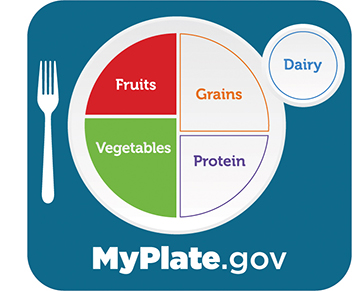
Experts recommend eating five to nine 1-cup servings of fruits and vegetables every day to support overall health. Or, to simplify the measurements, use the MyPlate guide and fill your plate with half fruits and vegetables at every meal.
Finding simple, satisfying ways to add more fruits and vegetables to your day can make a meaningful difference in your overall well-being. Try these ideas to quickly and easily add more fruits and vegetables into your daily routine.
Shopping and Storage Strategies
Shop smarter by starting with a plan. Use these strategies to build a shopping list that helps you add more fruits and vegetables to your cart.
- Whether fresh, frozen, canned, or dried, all forms of fruits and vegetables contain valuable nutrients. While processing can destroy some nutrients, it can improve the bioavailability of others. Purchase a variety to maximize nutrient intake. Look for frozen products that do not have added salt or sugar. For canned items, opt for "low sodium" products.
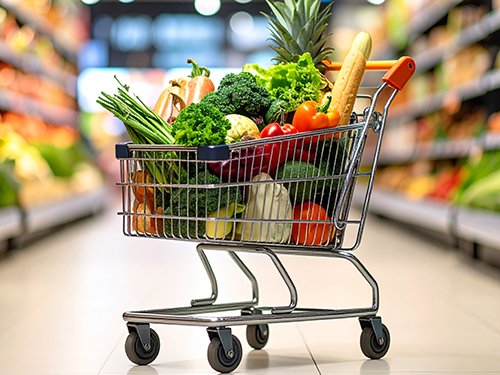
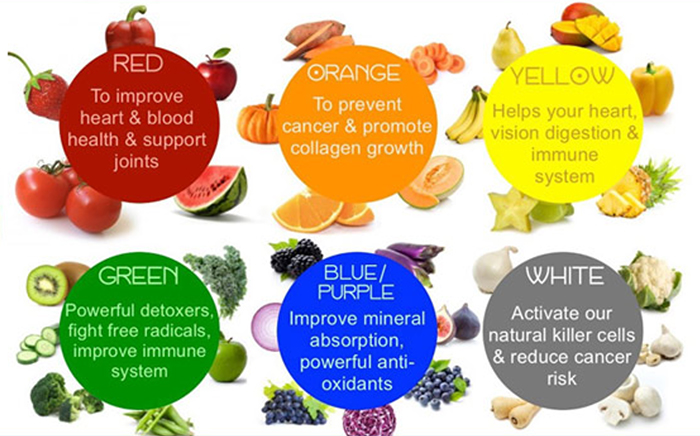
- Purchase a "rainbow" of fruits and vegetables to ensure you get a wide range of vitamins, minerals, and phytonutrients. Whether red, orange, yellow, green, blue/purple, or white, each fruit/vegetable color group offers different nutrients. The more colors in your shopping cart, the more complete your nutrient intake will be.
- Choose fresh fruits and vegetables that keep well for a week or more: apples, grapefruit, oranges, artichokes, beets, cabbage, carrots, celery, kale, onions, parsnips, potatoes, squash and sweet potatoes.
- Select produce that is locally grown. (In New Jersey, that's "Jersey Fresh.") Fruits and vegetables that are grown locally do not travel as long and are typically fresher and tastier than foods transported long distances.
- Buy store brand items. They cost less than brand name items without sacrificing flavor. Examples are Great Value® by Walmart, Bowl and Basket® by Shoprite, and Seasons Choice® by Aldi. Check your local store for their special brand.
- Shop with a friend in mind. Share a bunch of celery or a melon. Split a bag of peppers or apples. Sharing gives you variety without waste.
- Fuel up before shopping so you stay focused on filling your cart with nourishing foods, like fruit and vegetables. Shop after a meal or have a healthy snack before you leave for the store.
- Buy frozen fruits and vegetables in bags, rather than boxes. You can use as much or as little as you want. Then, tightly seal the bag to preserve flavor and store what is left for another time.
- Store unused portions of fresh veggies, like peppers, onions, celery and mushrooms, in freezer bags or small containers to use later in pastas or stir-fries.
- Mix leftover pasta with chopped vegetables and low-fat salad dressing for a tasty pasta salad.
- Buy vegetables with "no salt added" or fruit "packed in 100% fruit juice." If the product contains added sugar or salt, rinse it in a colander before eating. For dried fruits and vegetables, check the label and select varieties marked "unsweetened" or "no salt added."
Mealtime Tips
Make mealtime easier with these convenient tips to effortlessly add more fruits and vegetables into your recipes.
- Stop by the salad bar at your local grocery store and make a nice salad with a variety of different fruits and vegetables. You get variety without buying large amounts of vegetables and fruits. And you avoid spending time cutting and chopping.
- Buy extra salad with a mix of leafy greens and roll it in a whole wheat tortilla for lunch or the following day's dinner. For extra flavor, add beans, chicken, or shredded cheese.
- Add some greens to your burger. Thaw a box of frozen chopped spinach; squeeze out the water. Add to ground beef or ground turkey and make your burgers more nutritious.
- Puree cooked starchy vegetables like potatoes to make a thickener for soups, stews, and gravies. Add a little blended cottage cheese, too, if desired, for a creamier texture.
- Pair cucumbers, carrots and celery stick with hummus or salad dressings, as a healthy snack.
- Incorporate frozen berries or shredded carrots/zucchini into bakery items and breads you prepare at home.
- Adding frozen fruits to yogurt for a healthy parfait. Adding granola or almonds for a little crunch is a great snack to enjoy.
- Boost your breakfast! Veggies are delicious in omelets or scrambled eggs. Try adding onions, peppers, or mushrooms for a burst of flavor and added nutrition.
- Shred or puree zucchini, carrots, or squash into sauces, meatballs, muffins, and mac and cheese.
Give Prepared Foods a Boost
When time is tight, these prepared choices can help you stay on track and boost your fruit and vegetable intake. Prepared food isn't automatically unhealthy. See how these options can support your goals.
- Lightly sauté fresh vegetables such as broccoli, onions, mushrooms, peppers, carrots and eggplant, and add to jarred pasta sauce. Serve over whole wheat pasta.
- Liven up take-out or frozen pizza with pineapple, chopped tomatoes, mushrooms, peppers, broccoli, onions or other favorite vegetable.
- Pair pizza with a salad or steamed vegetables for a wholesome, healthy meal.
- Top frozen whole-grain waffles with peanut butter and fresh or frozen fruit. Try blending up fruit to make a puree topping.
- Like Mexican food? Warm canned pinto beans or fat-free/reduced fat refried beans in the microwave. Add low-fat or non-fat cheese, vegetables and salsa, and roll mixture in a whole wheat tortilla.
- Add raisins or other dried fruit (dried cranberries or cherries work well.), chopped walnuts and celery to prepackaged salad. Top with reduced-fat dressing or balsamic vinegar and olive oil.
- Create your own special soup. Add chopped vegetables to tomato, lentil, bean or chicken noodle soup.
- Pick up a fresh fruit cup at the local grocery store or convenience store. Pair it with low-fat or non-fat cheese and crackers, yogurt or cottage cheese for an on-the-go snack or meal.
- In a blender, combine yogurt, ice, milk and your favorite fruit and vegetable (strawberries, bananas, pineapples, mangoes, blueberries or peaches; and avocados) to create a tasty smoothie.
- Add vegetables, such as onions, peppers, mushrooms or tomatoes, to chicken or beef skewers when grilling for added color and flavor.
- Pre-cut fruits and vegetables can be a big time-saver. If it is in your budget, consider purchasing some when time is short for meal or snack prep.
Every small step toward eating more fruits and vegetables can make a real difference in your health. With a little creativity, adding color, flavor, and nutrition to your day becomes simple. Keep trying new ideas and let your healthy habits grow.
Colorful Foods, Strong Health
Fruits and vegetables come in a vibrant array of colors for a reason—their colors signal the unique nutrients they contain. Eating a "rainbow" ensures you get a wide range of antioxidants, vitamins, and minerals to support your health. Let the rainbow be your guide: each color offers its own benefits, so enjoy a variety of colorful fruits and vegetables every day.
Eat a Rainbow of Different Fruits and Vegetables
For More Information
Visit these web sites for more ideas on adding more fruits and vegetables to your daily routine:
- MyPlate Kitchen
- Have a Plant
- Just Say Yes…to Fruits & Vegetables
- American Heart Association recipes featuring veggies
January 2026
Copyright © Rutgers, The State University of New Jersey. All rights reserved.
For more information: extension.rutgers.edu.
Cooperating Agencies: Rutgers, The State University of New Jersey, U.S. Department of Agriculture, and Boards of County Commissioners. Rutgers Cooperative Extension, a unit of the Rutgers New Jersey Agricultural Experiment Station, is an equal opportunity program provider and employer.