
Fact Sheet FS1178
Is your refrigerator running? Then you better go catch it! Jokes aside, between power outages, extreme weather events, and doors accidentally being left open, refrigerator and freezer breakdowns happen, and they can be a serious food safety concern. When your refrigerator or freezer stops working, your first question should be:
Is the Food Safe to Eat?
While it is not always a simple answer, the following guidelines and food charts will help you determine if a food is safe. Keep in mind, you must evaluate each food separately.
Health and Safety First
Staying healthy is what matters most. Consuming unsafe foods can make you and your loved ones sick, leading to gastrointestinal and food-borne illnesses.1 The expense of going to the doctor for an avoidable illness will cost more than the cost of replacing the food in question. Young children, seniors, and people with chronic disease, or weakened immune systems are at a higher risk for and more vulnerable to contracting food-borne illnesses.2 They can get sick sooner and have more severe symptoms, which in extreme cases, can lead to death. Following food safety practices are necessary to avoid these risks.
It is important to realize that food may look, smell, and even taste fine, but still contain unsafe amounts of pathogens or toxins (poisons produced by bacteria). Never taste food to determine if it is safe to eat. Cooking food is not guaranteed to make it safe. Your guiding principle for food safety should be - when in doubt, throw it out.3
Answer these Questions to Decide If a Food Is Safe
What is the freezer or refrigerator temperature currently?
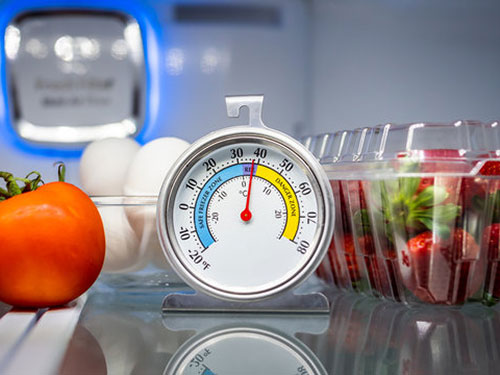
Keep an analog or digital thermometer in the refrigerator and freezer to monitor the temperature.
- The freezer should be at 0 °F or below.
- The refrigerator should be at or below 40 °F.4
If the temperature is higher than these recommendations, then the food will start to thaw and/or spoil more rapidly. The warmer the temperature, the faster bacteria will grow in the food.
How much time has passed since the power went out or the appliance failed?
- Write down the time when the power went off and the time the power came back on. How long was the power off? If you don’t know, give it your best guess. For example, was the power out 1 hour or 20 hours?
- Refrigerated food should not be above 40 °F for more than 2 hours. Longer times may allow bacteria to grow.
- A full refrigerator, with the door closed, will hold its temperature for about 4 hours.5
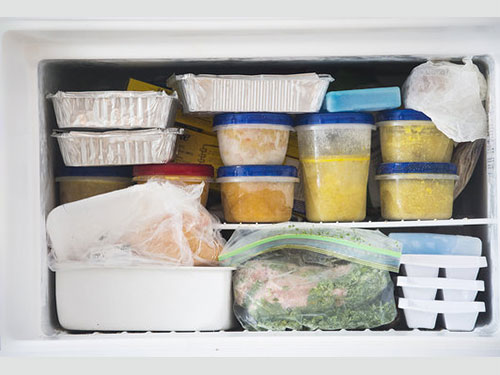
- A full freezer, with the door closed, will hold its temperature for about 48 hours, a half-full freezer about 24 hours. A full stand-alone freezer may stay cold even longer. If the freezer is not full, stack packages together to keep the food colder and fill empty space with ice packs or bags of ice. Put trays under food as they may drip when thawing.
Refrigerator: Does food feel cold?
- Check the temperature of refrigerator foods, as soon as the power comes back on.
- If possible, use an instant read thermometer to check the temperature of foods. It is easy to test milk or leftovers with an instant read thermometer. Do other foods feel cold to the touch?
- Cold foods (40 °F or less) may still be safe. Once foods exceed 40 °F, the two-hour rule mentioned above will apply.
- Use the food chart below to determine which foods to keep and which to discard.
Freezer: Is the frozen food still hard to the touch? Does it have ice crystals in it? Is it cold?
- Do not open the freezer when the power is off but do inspect freezer foods immediately after the power comes back on. If you wait too long, the food will be cold or freeze again, and you will not be able to tell if it has thawed.
- Food that is partially frozen or contains ice crystals may be refrozen or used.
- Food that is cold (refrigerator temperature) may be refrozen or used.
- Thawed food loses quality (texture and flavor).
- Discard food that is warm or melted, except for cooked (not raw) baked goods (examples: bread, cookies, cake).
- Use the food chart below to determine which foods to keep and which to discard.
What to Do When the Power Goes Off
- Keep the refrigerator or freezer doors closed. Open only as necessary.3
- Write down the time when the power went off and the time the power came back on, so you will know how long the power was shut down.
- The foods listed below will remain safe without refrigeration (see chart for other foods) so do not worry about keeping them cold. These foods are refrigerated to maintain quality and increase storage time, not to keep them safe.
- Uncut, fresh fruitand vegetables such as apples, lemons, limes, oranges, carrots, peppers, and broccoli. However, cut produce must be kept cold for safety.
- Breads, muffins andother baked goods
- Most condiments, such as ketchup, mustard, soy sauce, barbeque sauce, jam, jelly and peanut butter
- Grated parmesan or Romano cheese
- Butter or margarine
- If you anticipate the power being shut down for an extended period of time, choose one of the following options:
- Group foods together in the refrigerator and freezer or in a cooler with ice. A small cooler is easier to keep cold than a big refrigerator. The freezer will stay cold longer with additional ice.
- Find a friend with extra refrigerator or freezer space.
- Locate ice packs, block ice, or bagged ice. Block ice lasts longer. Add ice or ice packs to the refrigerator and freezer. The more ice, the better. If placing ice in the refrigerator, place it in a container to hold the melting water. Replace ice as it thaws.
- Locate dry ice distributors locally. Please keep in mind: dry ice is very cold (-109.3 °F) and will burn skin, so wear protective gloves and follow directions on how to handle it safely. Warning: When dry ice sublimes, it makes carbon dioxide gas, which can cause asphyxiation in enclosed spaces. Twenty-five pounds of dry ice should keep a full 10 cubic-foot freezer cold for about 48 hours.
Discard Unsafe Food
Unsafe food can make people and animals sick. Remember, do not taste questionable food. Do not feed it to pets or wild animals. Discard food by putting it in a plastic bag and in a closed garbage container or composting fruits and vegetables appropriately. Make sure animals cannot access it. Wash your hands and surfaces well after handling potentially unsafe food.
Refrigerated Foods—When to Save and When to Throw It Out
General Rule: If the power has been out less than 2 hours, all foods should be safe. Otherwise consult the following chart:
| Type of Food | Exposed to temperatures of 40 °F or above for more than 2 hours |
|---|---|
| MEAT, POULTRY, SEAFOOD | |
| Raw or leftover cooked meat, poultry, fish or seafood; meat alternatives | Discard |
| Thawing meat or poultry | Discard |
| Salads: meat, tuna, shrimp, chicken, or egg | Discard |
| Gravy, stuffing, broth/stock | Discard |
| Lunchmeats, hot dogs, bacon, sausage, dried beef | Discard |
| Pizza -- with any topping | Discard |
| Canned hams labeled “Keep Refrigerated” | Discard |
| Canned meats or fish (opened) | Discard |
| Casseroles, soups, stews | Discard |
| CHEESE | |
| Soft cheeses: blue/bleu, Roquefort, Brie, Camembert, cottage, cream, Edam, Monterey Jack, ricotta, mozzarella, Muenster, Neufchatel, queso blanco, queso fresco | Discard |
| Hard cheeses: cheddar, Colby, Swiss, parmesan, provolone, Romano, cotija | Keep |
| Grated cheeses: Parmesan, Romano, cotija, or combination (in Can, jar, or container) | Keep |
| Processed cheeses | Keep |
| Shredded cheeses | Discard |
| DAIRY | |
| Milk, cream, sour cream, buttermilk, evaporated, milk, yogurt, eggnog | Discard |
| Alternative milks (soy, almond, oat, etc.) | Discard |
| Butter, margarine | Keep |
| Baby formula (opened) | Discard |
| EGGS | |
| Fresh eggs | Discard |
| Hard-cooked in shell, egg dishes, egg products | Discard |
| Custards and puddings, quiche | Discard |
| VEGETABLES | |
| Fresh vegetables, cut | Discard |
| Fresh vegetables, uncut | Keep |
| Fresh mushrooms, herbs, spices | Keep |
| Greens, pre-cut, pre-washed, packaged | Discard |
| Vegetables, cooked | Discard |
| Tofu, cooked | Discard |
| Vegetable juice (opened) | Discard |
| Baked potatoes | Discard |
| Jarred garlic | Discard |
| Potato salad | Discard |
| Casseroles, soups, stews | Discard |
| FRUITS | |
| Fresh fruits, cut | Discard |
| Fresh fruits, uncut | Keep |
| Fruit juices (opened) | Keep |
| Canned fruits (opened) | Keep |
| Dried fruits, raisins, candied fruits, dates, shredded coconut | Keep |
| CONDIMENTS | |
| Mayonnaise, tartar sauce, horseradish (opened) | Discard (if above 50 °F for more than 8 hours) |
| Peanut butter | Keep |
| Jelly and jam (opened) | Keep |
| Ketchup, mustard, relish, olives, pickles, barbeque sauce, taco sauce, hot sauce (opened) | Keep |
| Worcestershire, soy, barbecue, hoisin sauces (opened) | Keep |
| Fish sauces, oyster sauce (opened) | Discard |
| Vinegar-based dressings (opened) | Keep |
| Creamy-based dressings (opened) | Discard |
| Pasta/spaghetti sauce (opened) | Discard |
| BREAD, CAKES, COOKIES, PASTA, GRAINS | |
| Bread, rolls, cakes, muffins, quick breads, tortillas | Keep |
| Refrigerator biscuits, rolls, cookie dough | Discard |
| Cooked pasta, rice, potatoes | Discard |
| Pasta salads with mayonnaise or vinaigrette | Discard |
| Fresh pasta | Discard |
| Cheesecake | Discard |
| Breakfast foods: waffles, pancakes, bagels | Keep |
| PIES AND PASTRIES | |
| Cream filled pastries | Discard |
| Pies: any filling containing eggs or milk, e.g., custard, cheese-filled, or chiffon | Discard |
| Quiche | Discard |
| Fruit pies | Keep |
Frozen Food—When to Save and When to Throw It Out
General Rule: Frozen foods that still contain ice crystals or are at 40 °F or below may be refrozen without much loss of quality. Follow the guidelines in the chart below for individual foods. Discard any fully cooked food that has come incontact with raw meat, poultry or seafood juices.
| Type of Food | Partially thawed. Still contains ice crystals. Or thawed and feels as cold as if refrigerated. | Thawed. Exposed to temperatures of 40 °F or above for more than 2 hours. |
|---|---|---|
| MEAT, POULTRY, SEAFOOD | ||
| Meat and poultry—all types of cuts | Refreeze | Discard |
| Fish, shellfish, breaded seafood products | Refreeze (some loss of texture and flavor) | Discard |
| Casseroles, soups, stews | Refreeze | Discard |
| DAIRY & EGGS | ||
| Milk | Refreeze (some loss of texture) | Discard |
| Eggs (out of shell) and egg products | Refreeze | Discard |
| Ice cream, frozen yogurt | Discard | Discard |
| Cheese (soft and semi-soft) | Refreeze (some loss of texture) | Discard |
| Hard cheeses | Refreeze | Refreeze |
| Shredded cheeses | Refreeze | Discard |
| Casseroles containing milk, cream, eggs, soft cheeses | Refreeze | Discard |
| Cheesecake | Refreeze | Discard |
| VEGETABLES | ||
| Vegetable Juices | Refreeze | Discard after being held above 40ºF for 6 hours. |
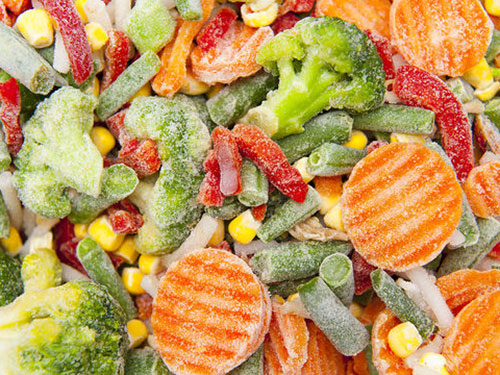
| Home or commercially packaged or blanched | Refreeze (some loss of texture and flavor) | Refreeze (discard if mold, yeasty smell, or sliminess develops) |
| FRUIT | ||
| Fruit Juices | Refreeze | Refreeze (discard if mold, yeasty smell or sliminess develops) |
| Home or commercially packaged fruit | Refreeze (some loss of texture and flavor) | Refreeze (discard if mold, yeasty smell or sliminess develops) |
| BREADS AND PASTRIES | ||
| Breads, rolls, muffins, cakes (without custard fillings) | Refreeze | Refreeze |
| Cakes, pies, pastries with custard or cheese filling | Refreeze | Discard |
| Pie crusts, commercial and home-made bread dough | Refreeze (some loss of texture and flavor) | Refreeze (quality loss is considerable) |
| OTHER | ||
| Casseroles – pasta or rice based | Refreeze | Discard |
| Flour, cornmeal, nuts | Refreeze | Refreeze |
| Frozen meal, entree, specialty items (pizza, sausage and biscuit, meat pie, convenience foods) | Refreeze | Discard |
| *Charts adapted from Food Safety and Inspection Service (FSIS) Keeping Food Safe During Power Outage.3 | ||
Other Tips for Food Safety and Food Preservation
Be Prepared for an Emergency…
- Keep ice and ice packs/gel packs in the freezer.
- Have a cooler handy.
- Keep 3 days’ worth of drinking water and shelf-stable food items on hand.
- Freeze refrigerated items like leftovers, milk, fresh meat, and poultry that you might not need immediately. This helps keep them at a safe temperature longer.
- Group food together in the freezer. This helps the food stay cold longer in the event of a power outage.
Homemade Ice Packs
Fill clean quart orhalf gallon plastic bags or containers (juice and soda bottles work well) with potable water, leaving a couple of inches free for ice expansion during freezing.Freeze and store several ice packs in the freezer for use when traveling, camping, or in emergencies. These solid ice packs thaw more slowly than ice cubes. If your normal water supply is contaminated or unavailable, the melting ice will also supply drinking water.
Reducing Food Waste
The United States Department of Agriculture (USDA) estimates that about 30–40% of food is thrown away in the U.S. While food waste due to power outages and other unforeseen circumstances might be unavoidable, there are some practices that can help avoid food loss before an emergency. This might include meal planning, utilizing food you already have before shopping, labeling food in your refrigerator and freezer with dates, donating food, and composting. See FS1332, Reducing Food Waste at Home: Easy Every-Day Tips for more suggestions.6
About Foodborne Illness
Consuming unsafe foods can result in foodborne illnesses. Foodborne bacteria typically cause illness within 1–3 days of eating contaminated food, but sometimes happens as soon as 20 minutes, or up to 6 weeks later.
Know the Symptoms
- Foodborne illnesses can be mistaken for other types of sickness.
- Most common symptoms include vomiting, diarrhea, and abdominal pain.
- They can also include flu-like symptoms, such as fever, headache, and body ache.
Seeking Care
- If you believe you or a family member have a foodborne illness, seek medical attention immediately by contacting your healthcare provider.
- You can report suspected foodborne illnesses to the Food & Drug Administration (FDA) by:
- Note that not all foods are regulated by FDA. Here is information on how to report illnesses to USDA FSIS due to meat and poultry:
- Use the Electronic Consumer Complaint Monitoring System.
- Call the toll-free USDA Meat and Poultry Hotline at 1-888-674-6854 (available weekdays 10 a.m.–6 p.m. ET).
- It may also be appropriate to report the illness to your local health department.
For More Information
- Rutgers Cooperative Extension
- USDA Food Safety and Inspection Service
- Reducing Food Waste at Home: Easy Every-Day Tips. Rutgers Cooperative Extension. Fact Sheet FS1332
- Partnership for Food Safety Education
- USDA Meat & Poultry Hotline: Weekdays 10 a.m.–6 p.m. ET, 1-888-674-6854 (English and Spanish)
- U.S. Food & Drug Administration information line Weekdays 10 a.m.–6 p.m. ET, 1-888-723-3366, or chat via website
- Find your local NJ Health Department
References
- Thiraviyarajah V, Thaivalappil A, Sekercioglu F, Oulahen G and Young I (2025).It’s Good to Always Have a Plan”: A Qualitative Study of Canadians’ Preparedness During Power Outages. Disaster Medicine and Public Health Preparedness, 19, e245, 1–7
- Dominianni C, Ahmed M, Johnson S, Blum M, Ito K, and Lane K. (2018). Power Outage Preparedness and Concern among Vulnerable New York City Residents. Journal of Urban Health, 95, 716–726
- FoodSafety.gov. (2024, August 8). Food Safety During Power Outage
- Food Safety and Inspection Service. (2023). USDA.gov.Keeping Food Safe During an Emergency
- Food and Drug Administration. (2024, March 5). FDA.gov. Food and Water Safety During Power Outages and Floods
- Reducing Food Waste at Home: Easy Every-Day Tips. (2021, July). Rutgers Cooperative Extension. Fact Sheet FS1332.
April 2026
Copyright © Rutgers, The State University of New Jersey. All rights reserved.
For more information: extension.rutgers.edu.
Cooperating Agencies: Rutgers, The State University of New Jersey, U.S. Department of Agriculture, and Boards of County Commissioners. Rutgers Cooperative Extension, a unit of the Rutgers New Jersey Agricultural Experiment Station, is an equal opportunity program provider and employer.