
Fact Sheet FS1222
Honey bees (Apis mellifera) need your help. This fact sheet suggests plant species you can plant or maintain which provide supplemental forage for honey bees during their critical periods.
Honey bees directly or indirectly pollinate one-third of our food crops and contribute about $15 billion in increased crop value each year (USDA–ARS). Honey bees pollinate a diverse range of familiar crops including cranberry, blueberry, melon, squash, and apple. They provide a vital link in nature by moving pollen between flowers and ensuring the production of seeds and fruits. In addition to pollination services, honey bees produce honey and wax, creating an array of valuable consumer products.
While honey bees pollinate flowers like cranberry or cucumber, these food crops, however, offer insufficient nectar and pollen to maintain the health of honey bee colonies. Honey bee colonies transported between agricultural regions further stress colony food supplies and health. Recent losses from honey bee diseases and colony declines has left beekeepers, farmers, landowners and the public concerned about how they can help provide a healthier environment for honey bees.
The health of honey bee colonies depends on access to food, in the form of pollen and nectar, from a varied and plentiful sequence of flowers throughout the growing season, as well as clean water and nest sites. Whether you are a backyard gardener, maintain a home landscape, commercial beekeeper, farmer, or commercial grounds maintenance landscape manager, you can help honey bees by planting and protecting wildflowers, shrubs, and trees that provide pollen and nectar.
Food availability gaps during honey bee active periods from February through November can weaken colonies. Particularly difficult periods for honey bees occur during warm, early-spring days when bees emerge from hives searching for food but few plants are flowering. The natural environment often does not provide sufficient flowering plants for honey bees during active periods, so your plantings can help.
The chart below lists herbaceous plants, shrubs, and trees that provide food for honey bees during the springtime. These flowering plants also feed beneficial insects such as wild bees, butterflies, and natural enemies of agricultural crop pests. By making plantings from the recommended listing below, you not only enhance honey bee services, but also augment landscape beauty, wildlife shelter habitat of birds and mammals, and overall biodiversity in your area.
The recommended plants listed on pages 2–3 are predominantly natives to the Mid-Atlantic, typically well adapted to regional climate and soils. The table on pages 4–6 advises on the growth habit, longevity, moisture requirement, mature height, bloom color and timing, and commercial availability of these plants. To provide food resources throughout the entire period of bee activity, you may want to add several recommended plants to your landscape. Learn more about these plants' usefulness to honey bees, other beneficial insects, and wildlife from the list of resources. A few weed or wetland species that can serve as a good spring food source for honey bees are listed (dandelion, skunk cabbage). You may already have some of these plants growing. They are not likely to be planted, but rather passively maintained and protected when their habitat is on properties under your management.
Listing of Food Sources for Honey Bees in Order of Bloom Time (earliest to latest)
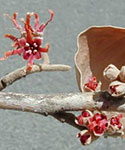
Hamamelis species
Witchhazels
February to March
Photo Credit: Missouri Botanical Garden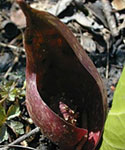
Symplocarpus foetidus
Skunk Cabbage
February to April
Photo Credit: Illinois Wildflowers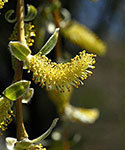
Salix species
Weeping Willow, White Willow
February to May
Photo Credit: Virginia Tech University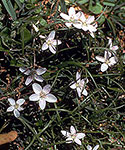
Claytonia virginica
Virginia Springbeauty
February to May
Photo Credit: USDA-NRCS PLANTS Database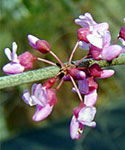
Cercis canadensis
Redbud
March to May
Photo Credit: Missouri Botanical Garden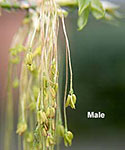
Acer negundo
Boxelder
March to June
Photo Credit: Oregon State University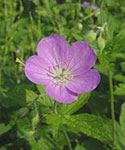
Geranium maculatum
Spotted Geranium
March to August
Photo Credit: Missouri Botanical Garden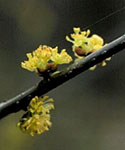
Lindera benzoin
Northern Spicebush
March to April
Photo Credit: University of Connecticut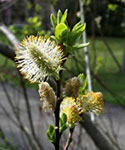
Salix discolor
Pussy Willow
March to April
Photo Credit: Missouri Botanical Garden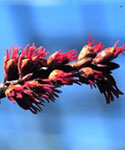
Acer rubrum
Red Maple
March to May
Photo Credit: University of Connecticut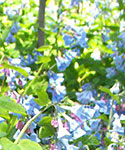
Mertensia virginica
Virginia Bluebells
March to July
Photo Credit: Morguefile.com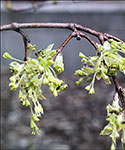
Acer saccharum
Sugar Maple
March to June
Photo Credit: Iowa State University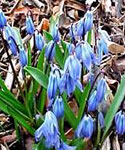
Scilla siberica
Siberian Squill
March to June
Photo Credit: Missouri Botanical Garden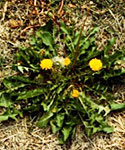
Taraxacum officinale
Common Dandelion
April to June
Photo Credit: Virginia Tech University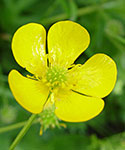
Ranunculus fascicularis
Early Buttercup
April to June
Photo Credit: Morguefile.com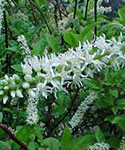
Itea virginica
Virginia Sweatspire
April to July
Photo Credit: Missouri Botanical Garden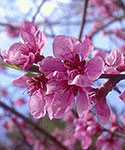
Prunus species
Peach, Plum, Cherry, Beach Plum, Etc.
April to June
Photo Credit: Virginia Tech University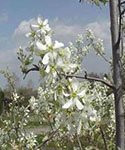
Amelanchier arborea
Common Serviceberry
April to July
Photo Credit: Missouri Botanical Garden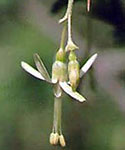
Ribes missouriense
Missouri Gooseberry
April to May
Photo Credit: Missouri State University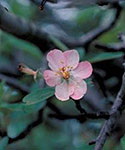
Malus species
Crab apples, Quince
April to June
Photo Credit: LBJ Wildflower Center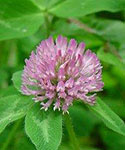
Trifolium species
Clovers
April to November
Photo Credit: Missouri Plants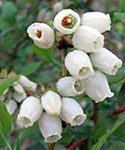
Vaccinium corymbosum
Highbush Blueberry
May to June
Photo Credit: Michigan State University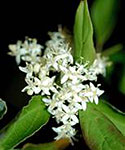
Cornus racemosa
Gray Dogwood
May to June
Photo Credit: Virginia Tech University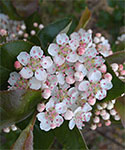
Aronia melanocarpa
Black Chokeberry
May to July
Photo Credit: Jenny Carleo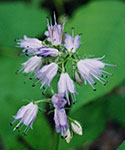
Hydrophyllum spp.
Waterleaf
May to June
Photo Credit: USDA-NRCS PLANTS Database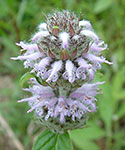
Blephilia spp.
Pagoda-plant
May to June
Photo Credit: Missouri State University
| Plant Name | Native to NJ | Growth Form | Type | Moisture Need | Height at Maturity (feet) | Bloom Color | Attractive to Honeybees | Attractive to Wild Bees | Comm. Available | Bloom Period | |||||||||||
|---|---|---|---|---|---|---|---|---|---|---|---|---|---|---|---|---|---|---|---|---|---|
| Witchhazels (Hamamelis species) |  |  | P | 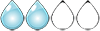 | 10 | █ |  | | | J | F | M | A | M | J | J | A | S | O | N | D |
| Skunk Cabbage (Symplocarpus foetidus) | |  | P |  | 2 | █ | | | | J | F | M | A | M | J | J | A | S | O | N | D |
| Weeping Willow, White Willow (Salix species) | |  | P |  | 70 | █ | | | | J | F | M | A | M | J | J | A | S | O | N | D |
| Virginia Springbeauty (Claytonia virginica) | | | P | 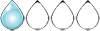 | 0.5 | █ | | | | J | F | M | A | M | J | J | A | S | O | N | D |
| Redbud (Cercis canadensis) | | | P | | 30 | █ | | | | J | F | M | A | M | J | J | A | S | O | N | D |
| Boxelder (Acer negundo) | | | P | | 65 | █ | | | | J | F | M | A | M | J | J | A | S | O | N | D |
| Spotted Geranium (Geranium maculatum) | | | P | | 0.5 | █ | | | | J | F | M | A | M | J | J | A | S | O | N | D |
| Northern Spicebush (Lindera benzoin) | | | P | | 12 | █ | | | | J | F | M | A | M | J | J | A | S | O | N | D |
| Pussy Willow (Salix discolor) | | | P | | 40 | █ | | | | J | F | M | A | M | J | J | A | S | O | N | D |
| Red Maple (Acer rubrum) | | | P | | 68 | █ | | | | J | F | M | A | M | J | J | A | S | O | N | D |
| Virginia Bluebells (Mertensia virginica) | | | P | | 2.3 | █ | | | | J | F | M | A | M | J | J | A | S | O | N | D |
| Sugar Maple (Acer saccharum) | | | P | | 90 | █ | | | | J | F | M | A | M | J | J | A | S | O | N | D |
| Siberian Squill (Scilla siberica) | | | P | | 1 | █ | | | | J | F | M | A | M | J | J | A | S | O | N | D |
| Common Dandelion (Taraxacum officinale) | | | P | | 0.5 | █ | | | | J | F | M | A | M | J | J | A | S | O | N | D |
| Early Buttercup (Ranunculus fascicularis) | | | P | | 1 | █ | | | | J | F | M | A | M | J | J | A | S | O | N | D |
| Virginia Sweatspire (Itea virginica) | | | P | | 10 | █ | | | | J | F | M | A | M | J | J | A | S | O | N | D |
| Peach, Plum, Cherry, Beach Plum, Etc. (Prunus species) | | | P | | 12 | ██ | | | | J | F | M | A | M | J | J | A | S | O | N | D |
| Common Serviceberry (Amelanchier arborea) | | | P | | 36 | █ | | | | J | F | M | A | M | J | J | A | S | O | N | D |
| Missouri Gooseberry (Ribes missouriense) | | | P | | 4 | █ | | | | J | F | M | A | M | J | J | A | S | O | N | D |
| Crab apples, Quince (Malus species) | | | P | | 20 | █ | | | | J | F | M | A | M | J | J | A | S | O | N | D |
| Clovers (Trifolium species) | | | A | | 1.5 | █ | | | | J | F | M | A | M | J | J | A | S | O | N | D |
| Highbush Blueberry (Vaccinium corymbosum) | | | P | | 12 | █ | | | | J | F | M | A | M | J | J | A | S | O | N | D |
| Gray Dogwood (Cornus racemosa) | | | P | | 10 | █ | | | | J | F | M | A | M | J | J | A | S | O | N | D |
| Black Chokeberry (Aronia melanocarpa) | | | P | | 6 | █ | | | | J | F | M | A | M | J | J | A | S | O | N | D |
| Waterleaf (Hydrophyllum spp.) | | | P | | 1–2 | █ | | | | J | F | M | A | M | J | J | A | S | O | N | D |
| Pagoda-plant (Blephilia spp.) | | | P | | 1–2 | █ | | | | J | F | M | A | M | J | J | A | S | O | N | D |
| Yes |
| No |
| Herbaceous Flowering Plant |
| Shrub or Small Tree |
| Tree |
| P | Perennial |
| A | Annual |
| Requires low soil moisture |
| Requires moderate soil moisture |
| Requires moderate-to-high soil moisture |
| Requires high soil moisture |
September 2015
Copyright © Rutgers, The State University of New Jersey. All rights reserved.
For more information: extension.rutgers.edu.
Cooperating Agencies: Rutgers, The State University of New Jersey, U.S. Department of Agriculture, and Boards of County Commissioners. Rutgers Cooperative Extension, a unit of the Rutgers New Jersey Agricultural Experiment Station, is an equal opportunity program provider and employer.