
Fact Sheet FS419
The blueberry bush makes a wonderful choice for the home gardener as a flavorful food crop or as an ornamental landscape shrub. There are several important considerations in deciding which particular varieties are best suited to the gardener's goals, planting site, and climate.
Highbush blueberry has been commercially bred over the last 100 years and has developed a large number of diverse and productive varieties. Most home gardeners will select for taste, fruit size, and color in consuming berries fresh off the bush. Others may prefer smaller, firmer, and more flavorful fruit for baking, processing, or storage. Some gardeners are selecting landscaping varieties from a bush size and color standpoint to be utilized in specimen plantings, hedging, or accent pieces. Some varieties change their blue/green foliage to a striking orange, yellow, purple, or red color in the fall. Flower colors range from white to pink in a profuse springtime display.
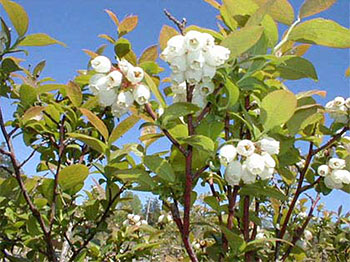
Figure 1. Flower clusters on blueberry bush bloom for a one to two week period.
New Jersey encompasses three different plant growth zones; 6, 7, and 8. The cooler northern region 6 has a seasonal growing period of about 140 days from last spring frost to first fall frost, while the warmer southern region zone 8 has a much longer growing period of about 220 days. Low winter temperature in the north may range from -5° to 10°F compared to 10° to 20°F in the south. The central portion zone 7 is intermediate between these two growth zones. These climatic factors limit the culture of Rabbiteye (Vaccinium ashei) and southern highbush hybrid blueberry species. The lowbush blueberry species (Vaccinium angustifolium), native to New England and Canada, is also not very well adapted to our more moderate climate. The best selection is the highbush blueberry (Vaccinium corymbosum), our native species which is ideally suited to all three growth zones of the Garden State.
Highbush blueberry cultivars have an inherent resistance to many diseases of fruit, flower, and foliage. If the home gardener or small farmer is situated several miles away from large commercial blueberry production areas, insect pests will seldom cause significant damage. (See fact sheet FS106, "Blueberry Pest Management for the Homeowner".)
Nonetheless, certain varieties have been selectively bred for resistance to common diseases in our area. These characteristics may be listed on the varietal label used by the commercial nursery.
There are also choices to be made in terms of transplant size and age. Bushes may be bare-rooted or pot-grown and one, two, or three years old. One year old plants are the least expensive but will not bear fruit for two years. The fruit buds need to be stripped off by hand in order to grow more foliage and deeper roots for a more productive harvest in the fourth year. Two year old plants are much more dependable in establishment and need only one more season of non-bearing. (See fact sheet FS750, "Establishing Blueberries in the Home Garden".) Three year old plants are, of course, the largest and most expensive. This extra expense may make sense when only purchasing a few bushes for the home grounds in order to reach a faster harvest. Sources of certified virus and disease free blueberry plants can be found in commercial nursery catalogs, at home garden suppliers, accessed on the internet, or from your county extension offices.
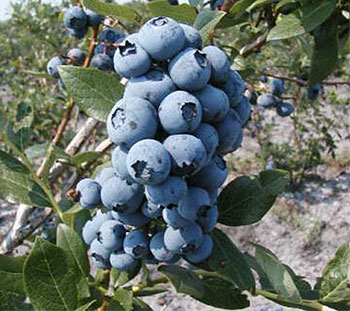
Figure 2. A new variety, "Duke", is noted for large fruit and high yield.
Late fall planting is preferred but a March timing is acceptable. This timing is less important when the plant is containerized, which suffers less from root disturbance and transplant shock. Purchase at least two varieties and plant them close together (3&en4 feet) to increase cross-pollination. While most highbush blueberry varieties are self-fertile, all bushes benefit from exchanging pollen which increases fruit size, ripening, and yield. Another important consideration is the length of the harvest season which generally ranges from 2 to 6 weeks per cultivar. The gardener should select a mix of varieties having early, middle, and late season harvest times which can ripen in succession and cumulatively extend production periods (Chart 1).
While primary criteria for cultural choice by home gardeners are berry flavor, aroma, sweetness, and tartness; other considerations include berry size, berry color, cluster density, productivity, plant structure, bush size, vigor, and cold hardiness. Varietal information is compared in Table 1. If possible, visit your local "pick-your-own" blueberry farms several times during the season and sample all the varieties the growers have to offer.
| Variety | May | June | July | August | ||||||||||||
|---|---|---|---|---|---|---|---|---|---|---|---|---|---|---|---|---|
| Earliblue | ||||||||||||||||
| Bluetta | ||||||||||||||||
| Blueray | ||||||||||||||||
| Patriot | ||||||||||||||||
| Duke | ||||||||||||||||
| Collins | ||||||||||||||||
| Bluecrop | ||||||||||||||||
| Legacy | ||||||||||||||||
| Coville | ||||||||||||||||
| Bluegold | ||||||||||||||||
| Herbert | ||||||||||||||||
| Jersey | ||||||||||||||||
| Lateblue | ||||||||||||||||
| Elliot | ||||||||||||||||
| Variety | Season | Fruit Size | Color | Plant Type | Flavor | Comments |
|---|---|---|---|---|---|---|
| Earliblue | Very Early | Large | 8 | Upright/Spreading | Good | Firm, good aroma, good dessert quality |
| Bluetta | Very Early | Medium | 5 | Spreading | Mild | Soft, fair, short size |
| Ivanhoe | Early | Medium | 7 | Upright | Excellent | Firm aromatic, high dessert quality |
| Patriot | Early | Large | 8 | Upright | Very Good | Firm, aromatic, tasty, small bush |
| Stanley | Early | Medium | 7 | Upright | Very Good | Firm, aromatic, high dessert quality |
| Blueray | Late Early | Large | 8 | Spreading | Very Good | Aromatic, high dessert quality |
| Duke | Late Early | Large | 8 | Upright | Good | Firm, big bush, high yielder |
| Collins | Late Early | Large | 8 | Upright/Spreading | Good | Firm, good aroma, good dessert quality |
| Bluecrop | Mid Season | Large | 9 | Upright | Good | Firm, slightly aromatic, most popular |
| Berkeley | Mid Season | V Large | 8 | Spreading | Mild | Firm, good for storage |
| Concord | Mid Season | Small | 6 | Upright/Spreading | Excellent | Soft, slightly aromatic, good dessert quality |
| Pioneer | Mid Season | Medium | 6 | Spreading | Very Good | Firm, aromatic, high dessert quality |
| Atlantic | Late Mid | Large | 7 | Very Spreading | Very Good | Firm, slightly aromatic, medium dessert quality |
| Herbert | Late Mid | V Large | 7 | Very Spreading | Excellent | Soft aromatic, very high dessert quality |
| Legacy | Late Mid | Large | 8 | Upright/Spreading | Excellent | Firm, sweet, aromatic, stores well |
| Dixi | Late | Large | 6 | Very Spreading | Very Good | Firm, aromatic, high dessert quality |
| Elizabeth | Late | Large | 8 | Very Spreading | Excellent | Slightly acidic, aromatic, very high dessert quality |
| Darrow | Late | V Large | 8 | Upright | Excellen | Firm, slightly acidic, high dessert quality |
| Wareham | Late | Medium | 6 | Spreading | Excellent | Soft, aromatic, good dessert quality |
| Tophat | Late | Medium | 7 | Dwaft patio type | Fair | Firm, 2' tall, no pollinator needed, baking |
| Coville | Late | Large | 7 | Very Spreading | Very Good | Firm, highly aromatic, tart, very high dessert quality |
| Bluegold | Late | Medium | 8 | Upright/Spreading | Excellent | Medium, firmness, productive, winter hardy |
| Jersey | Very Late | Medium | 6 | Upright | Good | Classic taste, stores well |
| Late Blue | Very Late | Small | 8 | Upright | Very Good | Firm, strong flavor |
| Elliott | Very Late | Medium | 8 | Upright | Mild | Firm, reddish wood, good dessert quality |
January 2005
Copyright © Rutgers, The State University of New Jersey. All rights reserved.
For more information: extension.rutgers.edu.
Cooperating Agencies: Rutgers, The State University of New Jersey, U.S. Department of Agriculture, and Boards of County Commissioners. Rutgers Cooperative Extension, a unit of the Rutgers New Jersey Agricultural Experiment Station, is an equal opportunity program provider and employer.