Photo by Dr. John Meade, weed scientist emeritus, Rutgers NJAES Cooperative Extension

The most frequent request we receive is for control recommendations. We cannot provide that information on this web site. Weed control recommendations that are appropriate for New Jersey may not be appropriate for someone living in another state. Recommendations for homeowners are considerably different from recommendations for commercial enterprises that have access to chemicals whose purchase and use require a pesticide applicator's license. There are a lot of variables in the weed control equation and without detailed information it is difficult for us to provide satisfactory recommendations.
We suggest that you contact your Cooperative Extension office in your state to obtain control recommendations appropriate for weeds occurring in your geographic location.
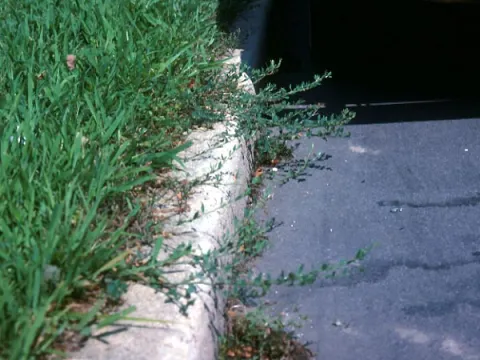
Knotweed is an early germinating member of the smartweed family. It normally shows up around mid-march and is often mistaken for a grass because of the long narrow cotyledons. It tolerates compacted soils and so is commonly found along sidewalks and paths as well as golf tees. Sometimes it is the only thing that will grow in heavy compacted soils. Associates well with goosegrass.

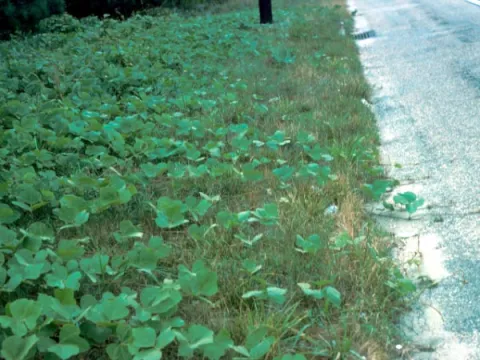
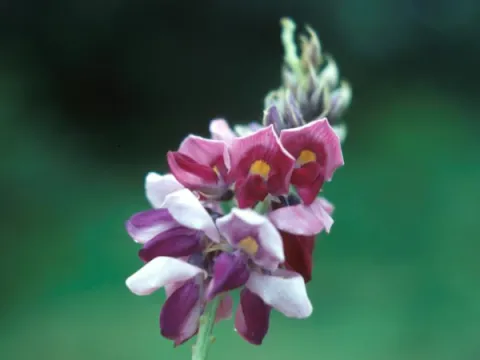
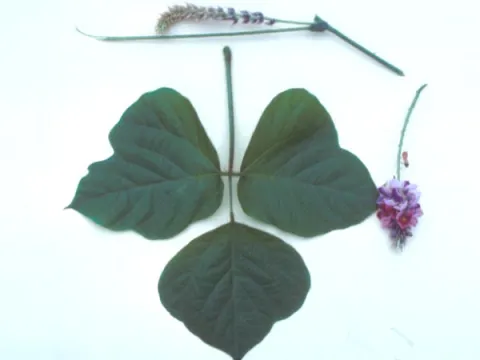
Kudzu is a high climbing vine that is more of a problem in the deep south where it will overgrow trees in a short time. In our state the winters are too much for it and it is much slower growing. A survey by the NJ Dept. of Agriculture revealed 58 locations in the state. Only one of these (in Red Bank) was of a serious nature. It was introduced as a soil conservation aid and became too much at home.
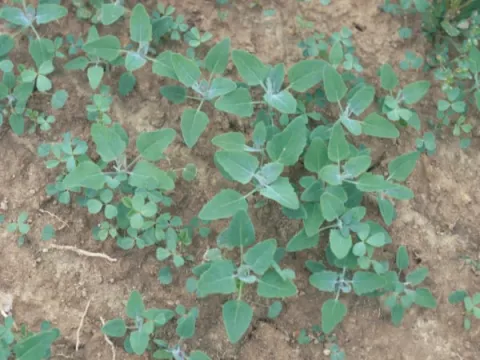
Lambsquarters is a widespread weed in the state. It thrives on rich soils so is a problem in gardens and farm fields. It enjoys some favor with the natural food folks. The triangular leaf is the chief identifying feature. A related plant, Mexican tea (Chenopodium ambrosioides), is used as a vermifuge. Often found growing near barns.
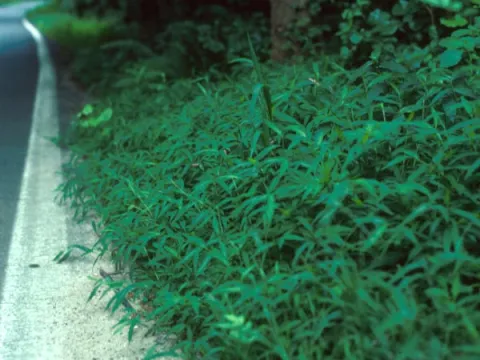
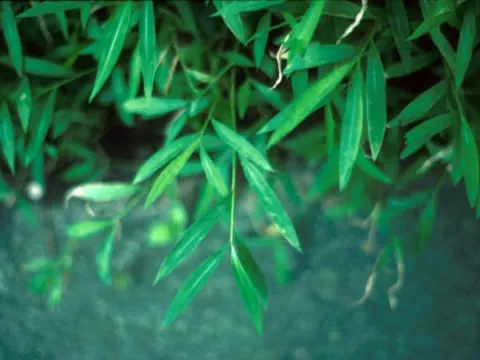
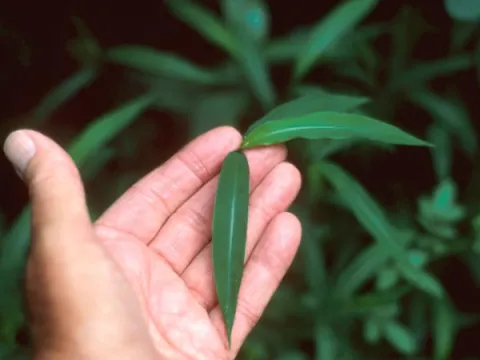
Mary's Grass, is also called stiltgrass because of the stilt-like structure at the base of the culm. Some manuals list it as Eulalia viminea. Practically unknown in New Jersey in the early '80s it is now widespread in dense populations. Usually found in moist, shady habitats. It is an extremely invasive grass although not as yet an economically important weed. Field botanists rank it along with purple loosestrife and garlic mustard in its invasive properties.
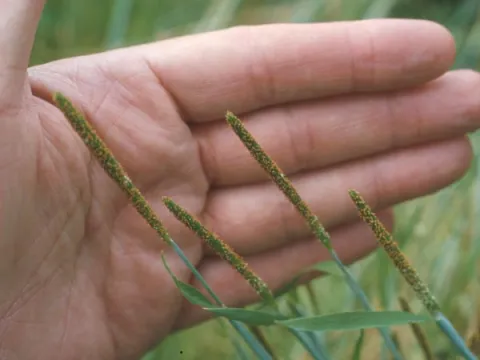
Meadow Foxtail is not a foxtail at all. It has a seed head similar to timothy but is much smaller. Normally found in the northern part of the state it is not a serious problem except in some nurseries. A related plant, blackgrass (Alopecurus myosuroides), is a serious weed problem in some states but is not yet present in New Jersey.
A high climbing vine with prickly stems. The flower is greenish and the fruit is blue and berry-like Note the bracts surrounding the stem. Found in moist soils and river banks as well as roadsides. Not at present an agricultural problem except in nurseries with wet soils.
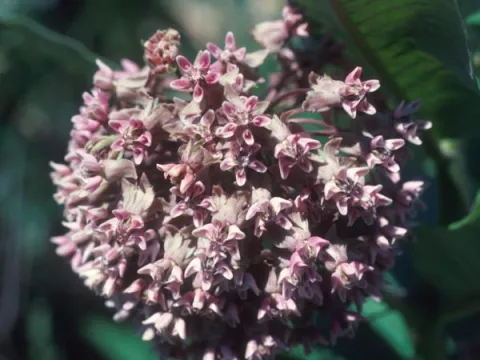
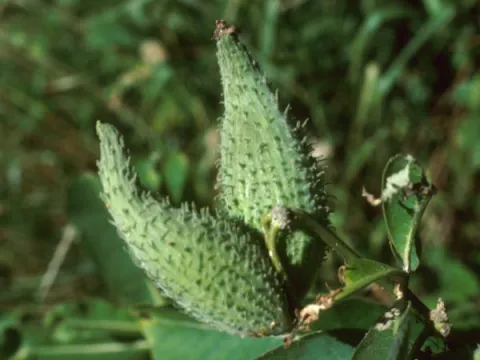
Milkweed is a weed of perennial crops or no-till fields. It very seldom is a problem in plowed and cultivated fields. A tall plant, it has a milky juice which was investigated as a source of rubber. The seed pods contain a silky material which was used at one time to stuff life preservers. Orange milkweed (Asclepias tuberosa) is a highly colored variant. Seldom a weed it is food for the monarch butterfly.


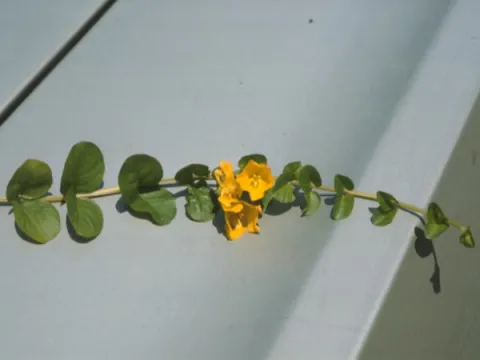
Moneywort is a vine-type weed which is troublesome in turf areas. It has an attractive yellow flower. Most occurrences are in North Jersey.
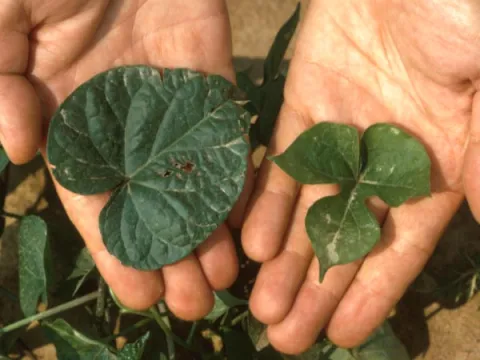
Ivy-leaved morning glory is also called Ipomea hederacea var integriuscula when the leaves are entire rather than three lobed. A very common weed of New Jersey and somewhat difficult to control because the seeds are able to germinate from depths of eight inches. The entire leaf variety is often mistaken for a bindweed and vice-versa.
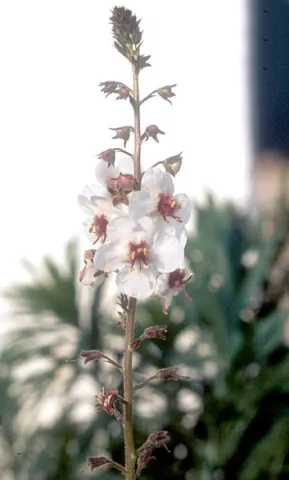
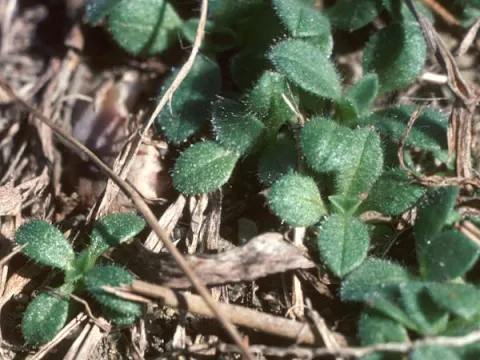
Mouse-Ear Chickweed is a perennial that becomes a serious problem in lawns. It flowers in early spring and is very unsightly. The name is derived from the shape and texture of the leaf. If you are too timid to get close enough to a mouse to see what it's ear looks like, look at this leaf. They are similar except for the color.
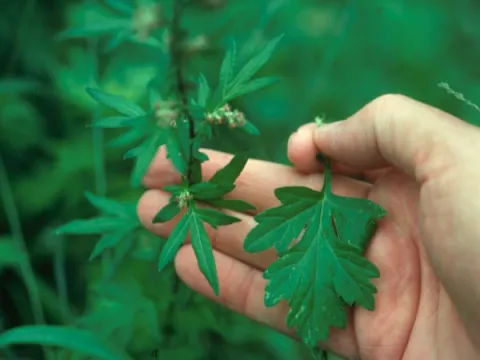
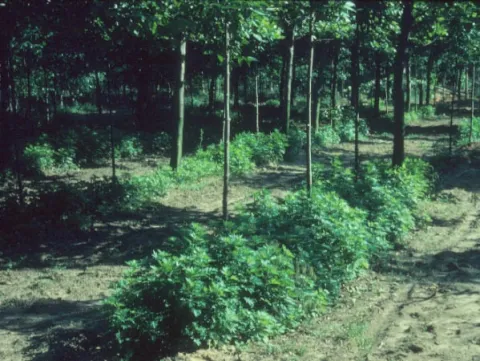
Mugwort is also called wild chrysanthemum because of the shape of the lower leaves. The plant is a perennial that spreads rapidly by rhizomes. It is one of the most severe weeds of the nursery and landscape plantings. It, along with Japanese knotweed (bamboo), is rapidly becoming one of our worst roadside weeds because people dig it out of their plantings and drop it along side the road. CASORON should be used to control it wherever possible. The white wooly underside of the leaf is a good ID characteristic and is visible even in the winter. It is a relative of dusty miller.am
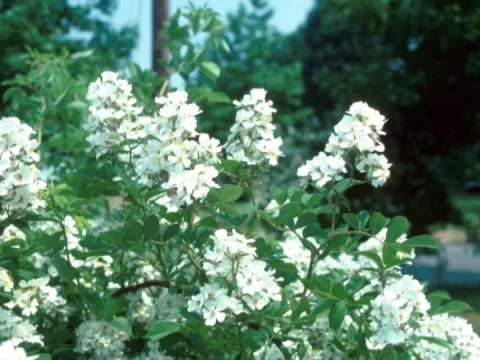
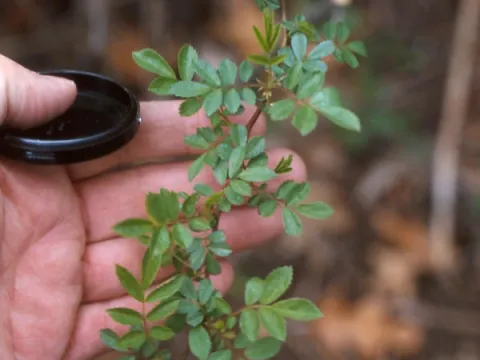
Multiflora Rose is a good plant gone bad. It was given to growers for planting in the hedge rows for game cover. It did not stay put, however. It spread rapidly by rootstocks into pastures and unplowed fields. The birds enjoyed the pulp of the fruit and then dropped the seeds to the ground under fences and hedges and power lines. It rapidly becomes so thick and vicious with barbs that nothing can penetrate. Except for bulldozers. They do an excellent job of removing the plant, roots and all.
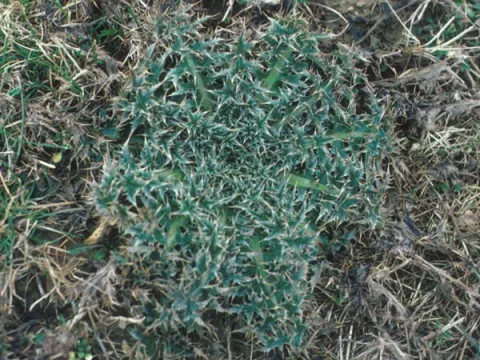
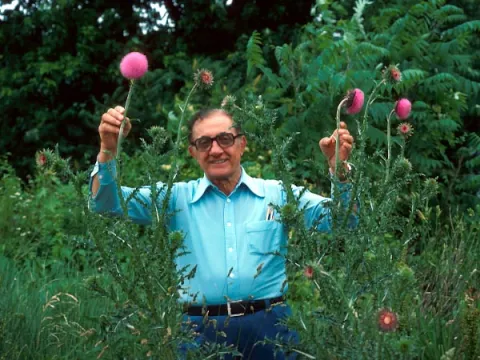
Musk thistle is also called nodding thistle because the mature flower bends over and nods it's head. The New Jersey Department of Agriculture has introduced an insect which burrows into the seed and prevents germination. This biological control is locally effective. Most of our plants are from seed blown in from Pennsylvania. It is a biennial and the first year rosette is quite distinctive. A problem mostly of perennial crops and roadsides.
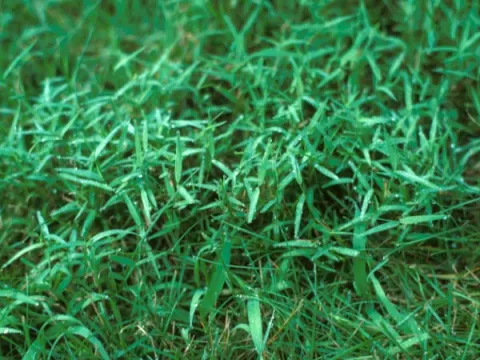
Nimblewill is a weak perennial grass which is a pest in lawns. It has a weak stem and is usually prostrate. The leaves in spring are different from the mature seed leaves. It was somewhat difficult to find in the '70s but has become much more prevalent in later years. No selective control available in lawns.
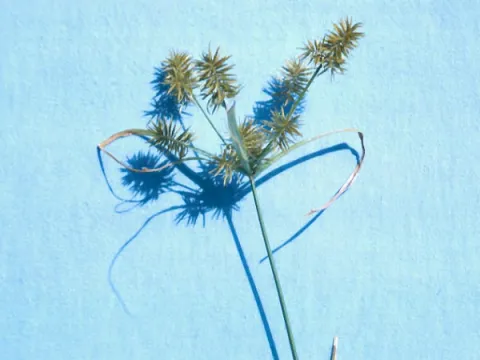
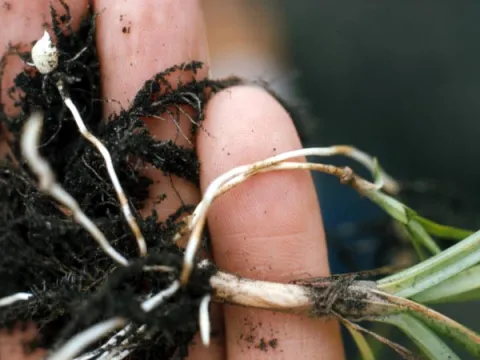
Nutsedge (yellow) is a perennial sedge which is a pest in many cropping systems and lawn areas. It spreads rapidly by means of vigorous rhizomes. In August a nut is formed at the end of the rhizome which overwinters and starts the plant next year. It is apparently not a strong competitor but can become quite thick. The sedges are identified by having a triangular stem. Control measures are available in most situations. A related plant, purple nutsedge (Cyperus rotundus), is not present in New Jersey. It has nutlets in chains on the rhizome and is much more difficult to control.
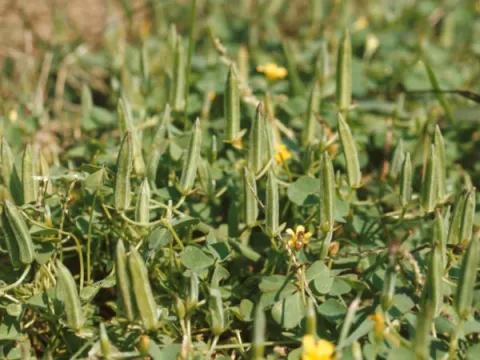
Oxalis is often called yellow wood sorrel or sour grass because of the tart taste of the leaves. Oxalis stricta has bright yellow flowers and green leaves. It grows upright. O. europaea (also called O. corniculata) is a perennial with seeds and rootstocks so that it sometimes appears to be a creeping vine. The leaves and stems are often purple or reddish. The seed capsule goes under tension as it dries and then explodes to throw the seed several feet. A serious problem in container nurseries and in newly seeded turf.
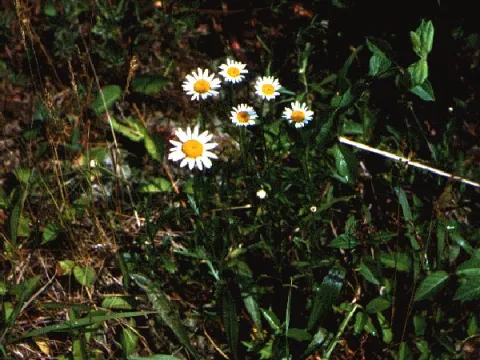
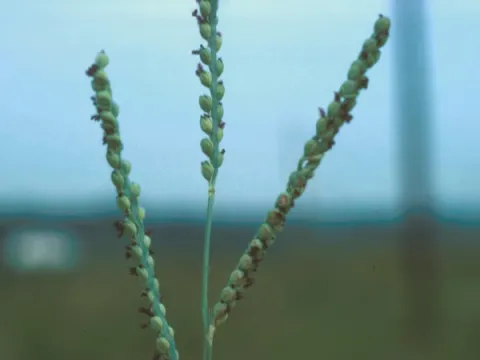
We have 6 species of paspalum, but only 2 or 3 are troublesome and these are located mostly in southern Jersey. Field paspalum (Paspalum laeve), is the most widespread one and seems to prefer moist, sandy areas. Florida paspalum (P. floridanum var glabratum), is located in Cape May County. These seem to be problems in turf areas.