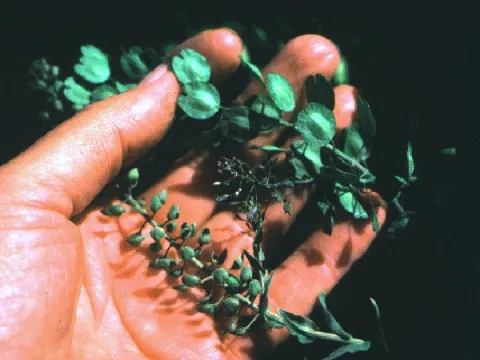
Photo by Dr. John Meade, weed scientist emeritus, Rutgers NJAES Cooperative Extension

The most frequent request we receive is for control recommendations. We cannot provide that information on this web site. Weed control recommendations that are appropriate for New Jersey may not be appropriate for someone living in another state. Recommendations for homeowners are considerably different from recommendations for commercial enterprises that have access to chemicals whose purchase and use require a pesticide applicator's license. There are a lot of variables in the weed control equation and without detailed information it is difficult for us to provide satisfactory recommendations.
We suggest that you contact your Cooperative Extension office in your state to obtain control recommendations appropriate for weeds occurring in your geographic location.
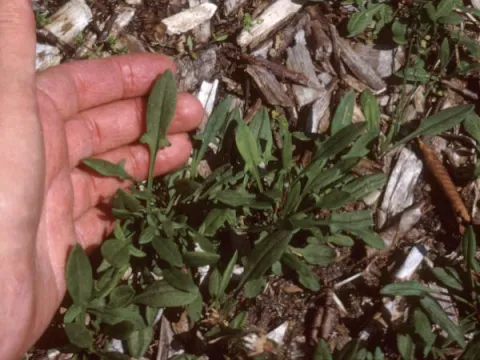
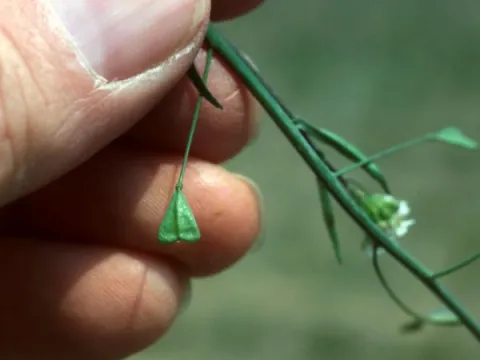
Pepperweed was called peppergrass but reason prevailed and since it is not a grass the name was changed. A member of the mustard family the seeds have a sharp taste when bitten. It is a winter annual forming a rosette in the fall and flowering in the spring. A problem in crops such as alfalfa and strawberries. Also widely found in newly seeded lawns. Pepperweed on bottom, penny cress on top.
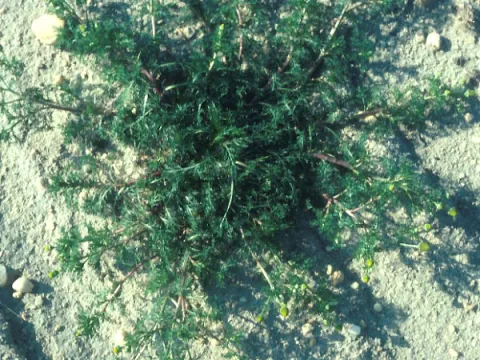
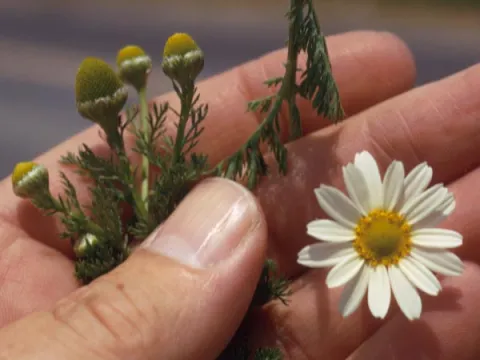
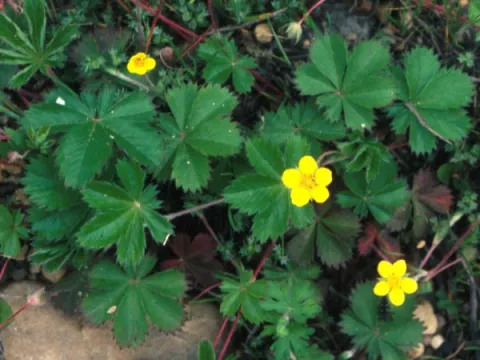
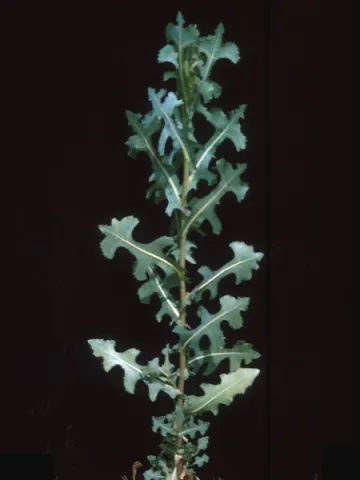
Tall blue lettuce (Lactuca biennis), tall wild lettuce (L. canadensis), and prickly lettuce (L. serriola), are the most common types of wild lettuce. All have milky sap. The prickly lettuce is often called compass plant because the leaves tend to align themselves in a north-south position.
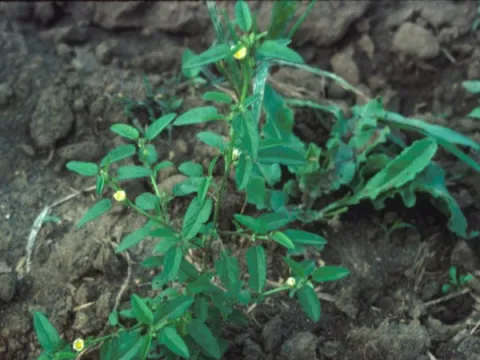
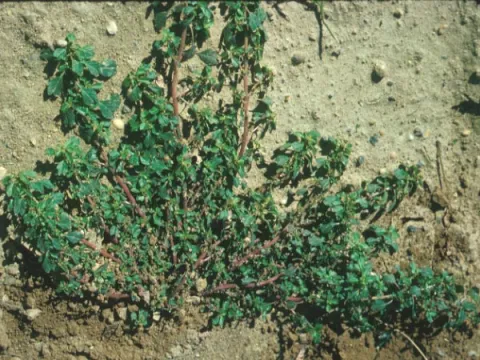
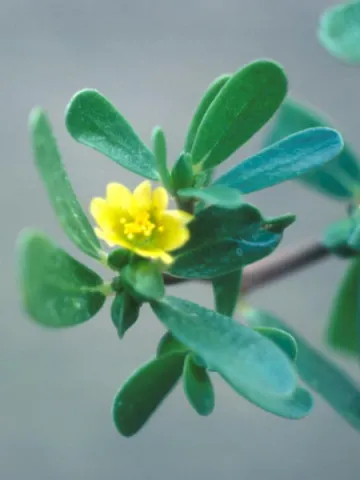
Purslane is related to the flower of the same name. It is a severe weed pest in vegetable crops and newly seeded turf. It is an annual and produces numerous seeds. Is it true that the flower only opens at night? The tender young tips are a good addition to a salad.
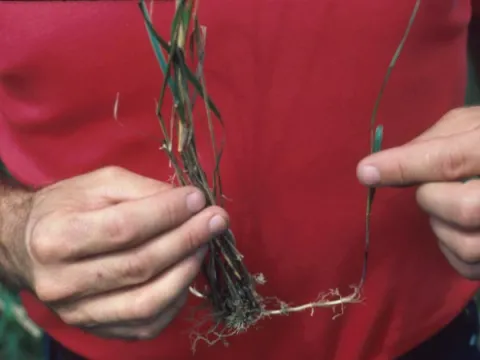
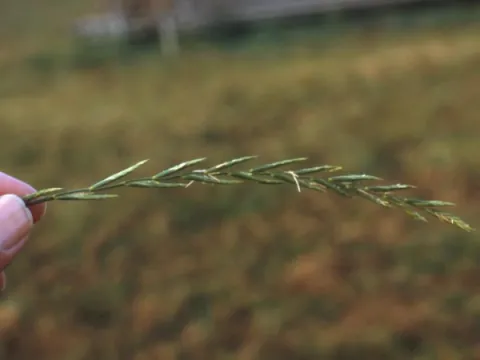
Quackgrass is the worst perennial grass we have. A slender, strong rhizome spreads it widely and it also produces seeds. The seed head resembles ryegrass. It has auricles and a crimp in the leaf near the tip in the shape of a W or M. Control is feasible in many crops but persistence is the key word. Our Canadian friends call it Couch grass.
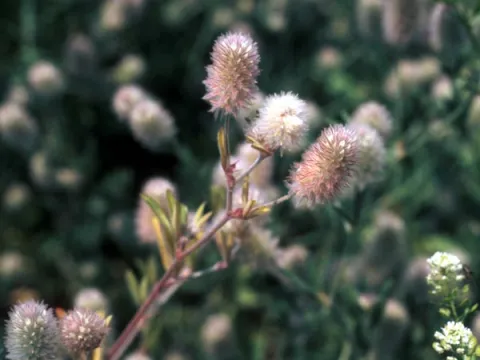
Ragweed is smaller than the giant ragweed but is much more prevalent. It is very adaptable although it prefers dry soils. It often invades newly opened soils such as roadsides or where ditches have been dug. The male flowers in the top of the plant produce the pollen which is responsible for so much respiratory distress in August and up to frost.
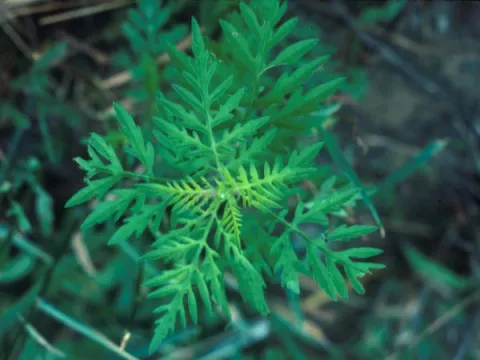
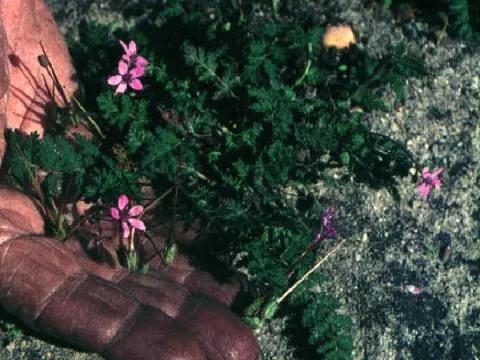
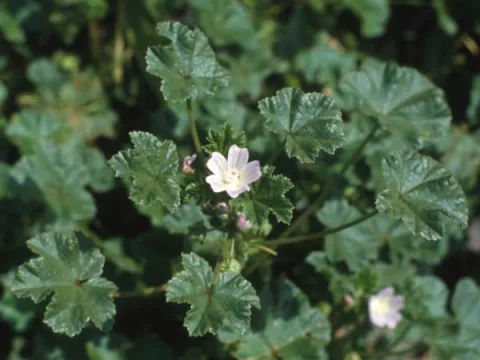
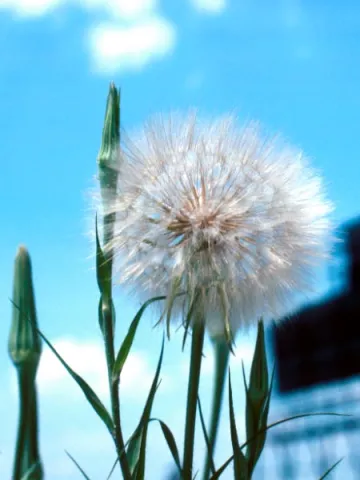
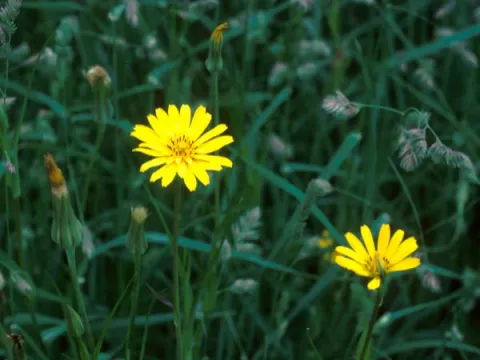
Salsify is also called goat's beard. The leaves are grass-like and the flower head is similar to dandelion but much larger. The seed head also resembles dandelion but again is much larger and on the gray side. A purple flowered species, Tragopogon porrifolius, is called oyster plant because the boiled roots are said to taste like oysters. The purple one is rare in New Jersey but the yellow one has become quite prevalent in recent years. A problem mostly in nurseries.
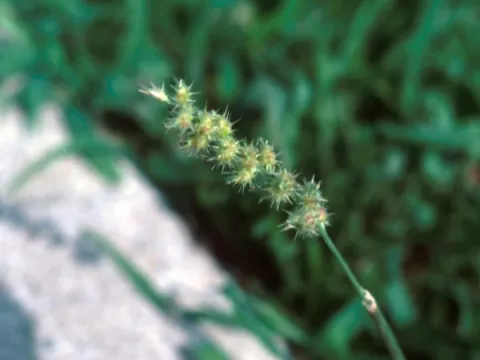
Sandbur is a plant that no one loves. The seed is enclosed in a hard membrane covered with sharp, stiff spines with hooks. These easily penetrate clothes and skin and cause great distress. They are also difficult to dislodge from animal fur. Sandbur prefers sandy soils.
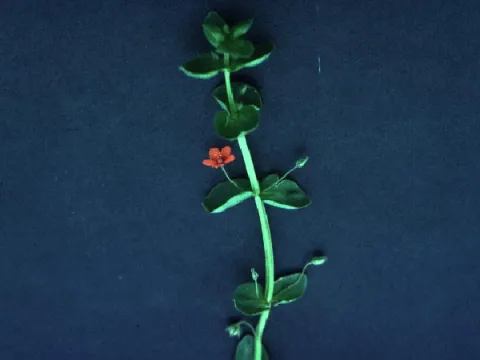
Sheep Sorrel is also called sour-grass because of it's sharp taste. This is an indicator plant in that it tolerates acid soils and is seldom found in good soil. A dioecious plant, the male and female flowers have slightly different colors. A difficult plant to control except by good cultural practices. Usually found as a weed in lawns or fallow situations such as rights-of-way.
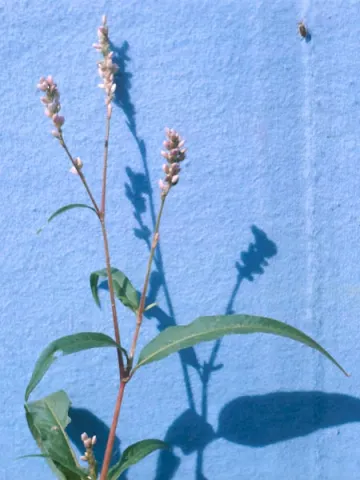
There are several species of weedy smartweeds. Some are aquatic and all prefer moist sites. Polygonum arifolium and P. sagittatum are called halbard and arrow-leaved tear thumb respectively because of the sharp spines on the stem. Water smartweed (P. amphibium) grows equally well in water and on dry ground. P. aviculare and P. erectum are called knotweed. The first is a serious pest in lawns. Carey's smartweed (P. careyi) is characterized by long drooping clusters of flowers and is often seen in blueberry fields in the Pemberton area. <i>P. convolvulus</i> is a vine type and is called black bindweed. P. scandens is also a vine and both are serious weed problems where found. Japanese knotweed or Mexican bamboo (P. cuspidatum), is a tall growing, perennial weed which is almost impossible to control. P. sahalinense is similar but much more robust. Pennsylvania smartweed (P. pensylvanicum) is one which grows well on rich, well drained soils and so is a weed problem in crops.
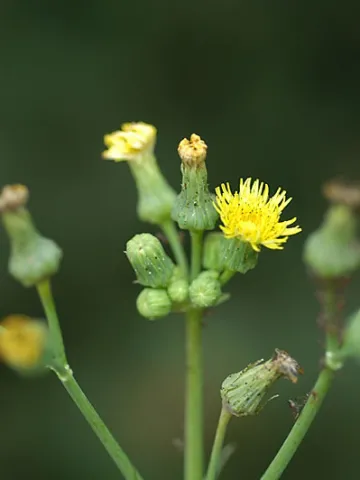
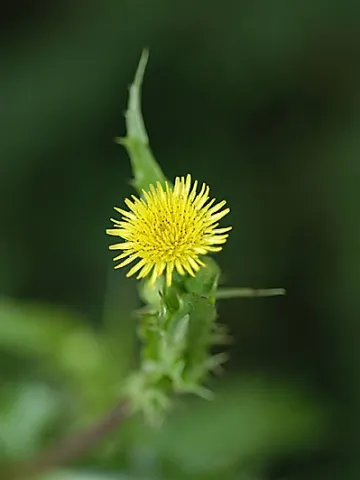
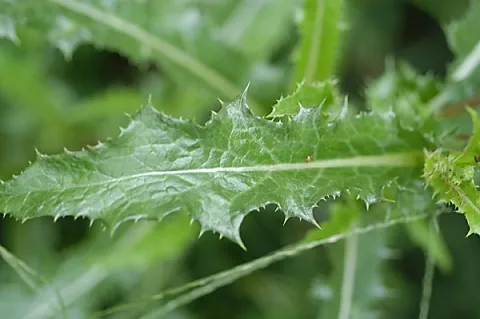
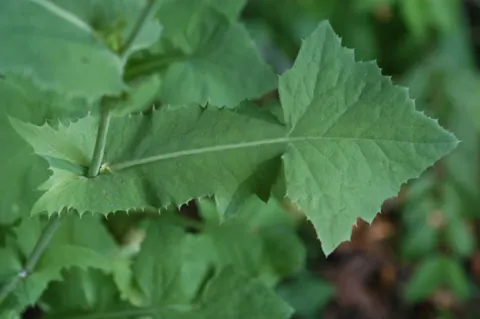
This annual member has spiny leaf margins, and the base of the leaves have rounded lobes, which clasp the stem. Sow thistle is found in disturbed ground and waste areas. The sow thistle belongs in the daisy family.
Perennial sow thistle is similar to the annual species, but the bases of the clasping leaves are pointed rather than rounded.